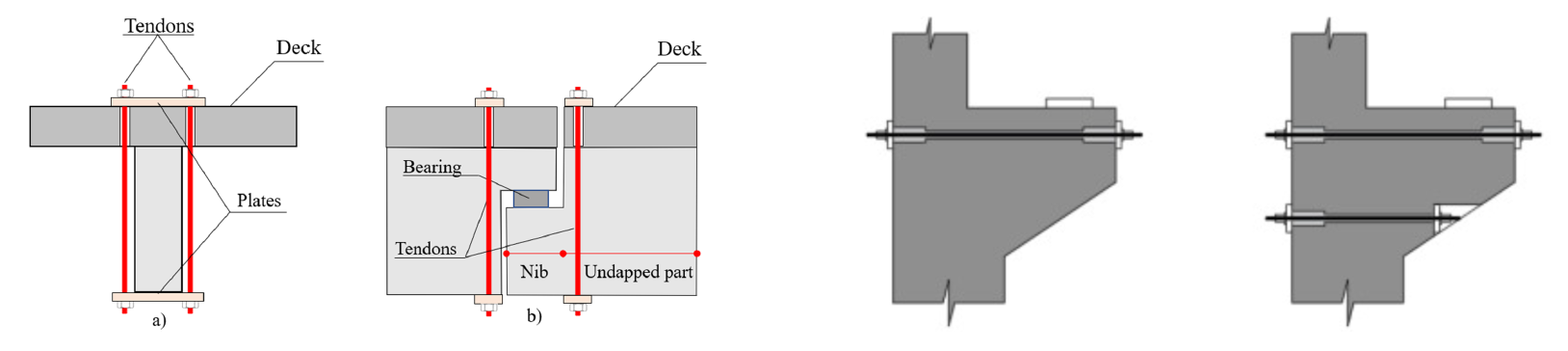
In a world increasingly focused on sustainability, the call to reuse and adapt our built environment has never been louder. While tearing down and building anew can seem like a clean slate, there’s a compelling, and often underappreciated, case for retrofitting existing concrete structures. It isn’t just a technical challenge, it's a smart bet on cost, heritage, and the planet.
Prevention over collapse
Across the world, this need is becoming urgent. Ageing bridges and buildings, many designed to outdated standards and pushed far beyond their original service life, now demand reassessment and revitalization. In Europe, North America, and the Asia-Pacific region, tens of thousands of structures are already classified as being in a poor or deficient condition, with many more awaiting detailed investigation. And recent collapses such as Genoa’s Morandi Bridge or the partial failure in Dresden serve as stark reminders of what happens when strengthening comes too late. International codes like ISO 13822, AASHTO’s Bridge Evaluation Manual, and emerging Eurocode guidance are driving a shift: evaluate first, reinforce what matters, and extend the useful life of the structures we rely on every day.
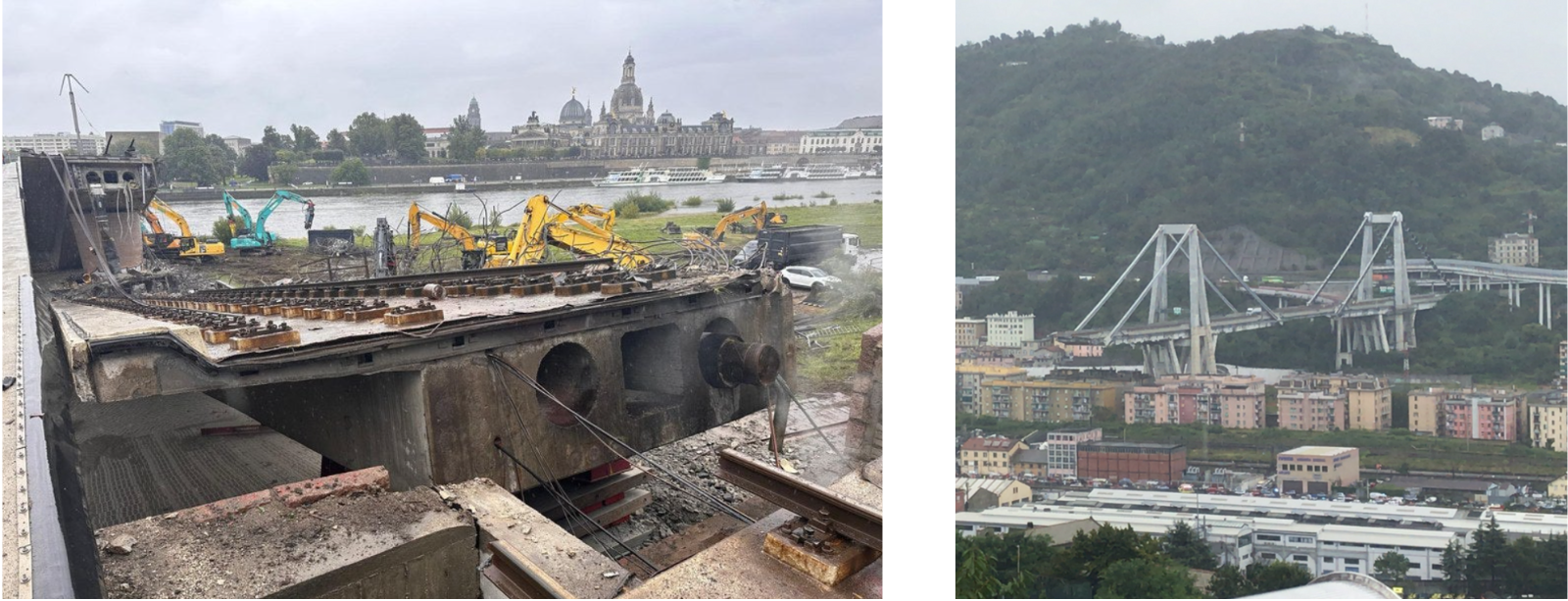
Carola/Elbe bridge partial collapse (Dresden, 11 Sep 2024) and Ponte Morandi (Genoa, Italy, 14 Aug 2018)
But it doesn’t always have to be about significant structures, sometimes a small detail can carry enormous weight and prevent major problems.
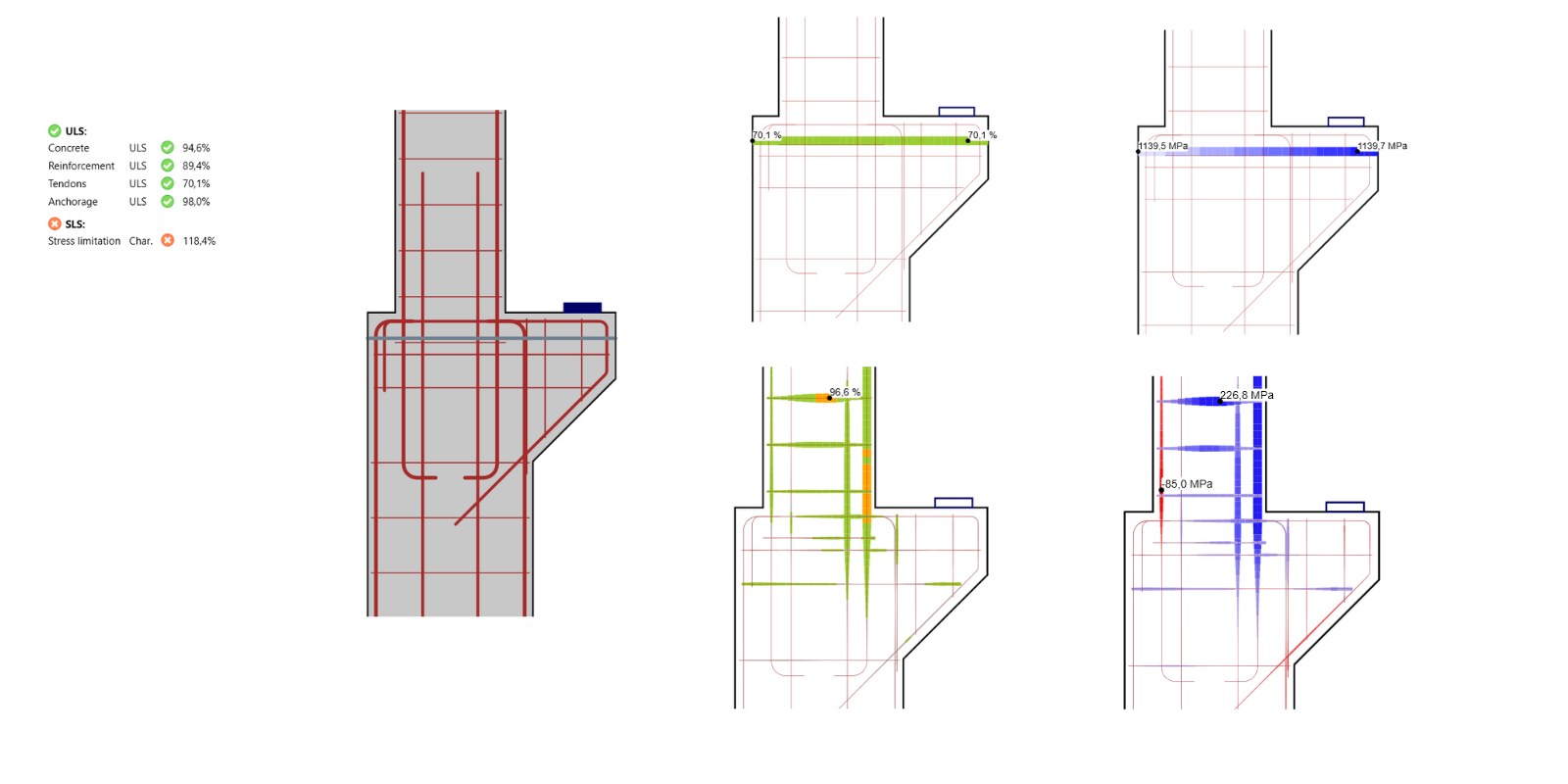
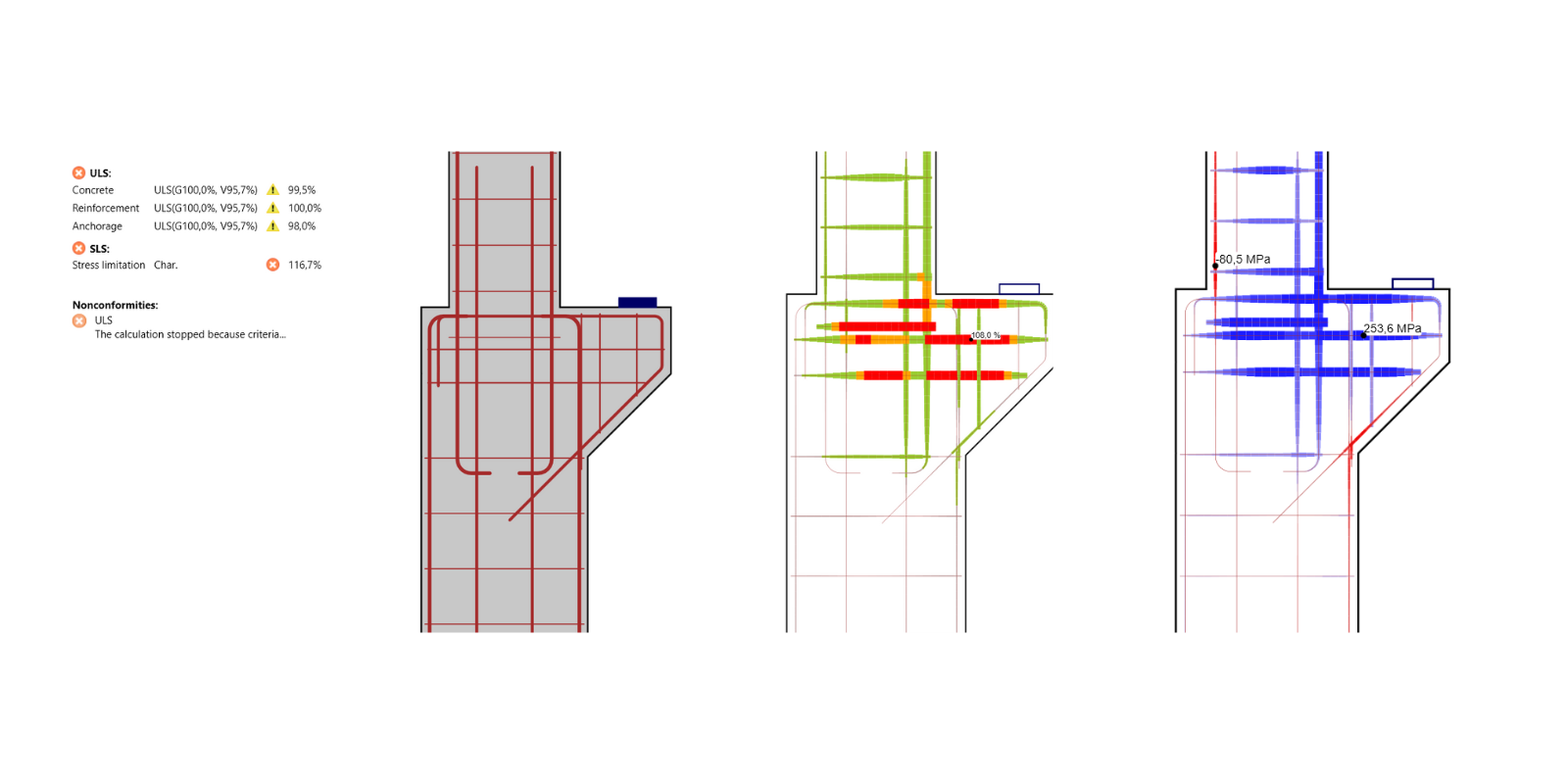
See, for example, a short cantilever modeled in IDEA StatiCa Detail using the existing reinforcement parameters but assessed for new loads according to current standards. In the first image, you can see the reinforcement layout, utilization, and stress in the bars. The structure fails, with the capacity limited by excessively high tensile stresses that the existing reinforcement cannot accommodate.
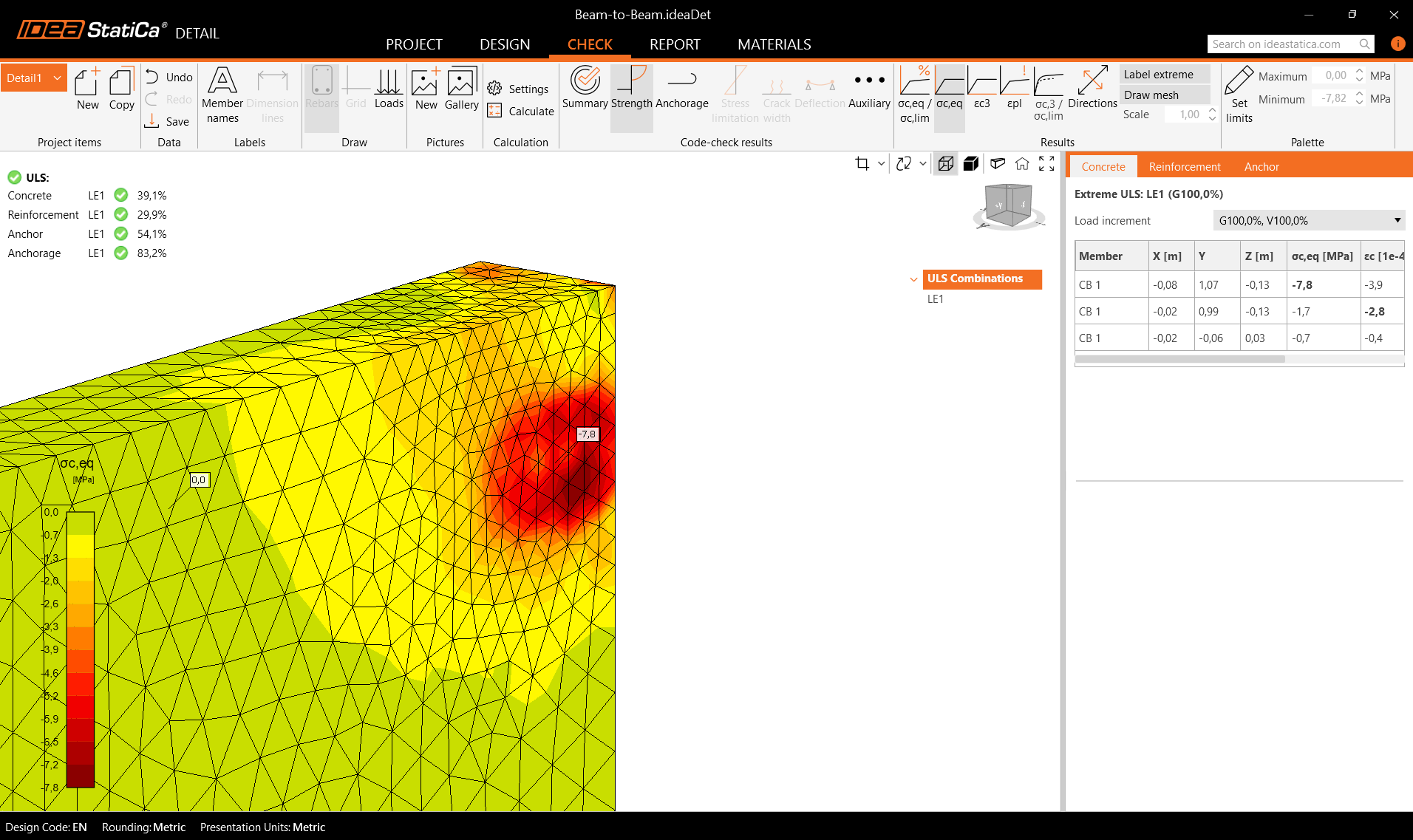
The next image shows the strengthened version, now using . This almost entirely eliminates tensile stress in the reinforcement and safely carries the ultimate limit state loads, demonstrating how targeted retrofitting can dramatically improve performance even in a seemingly minor element.