Steel frames have become a popular choice in the construction industry due to their remarkable strength, durability, and versatility. To achieve optimal performance and structural integrity, steel beam connections play a vital role in transferring loads effectively between beams and columns. In this article, we will delve into various types of steel beam connections, including column splices and beam-to-beam connections, along with essential considerations for their design.
Understanding shear force and its impact on beams
Shear force is a crucial factor to consider when designing steel beam connections. It refers to the force acting parallel to the cross-sectional area of a beam, exerting a sideways or shearing effect.
It's something so obvious to every structural engineer that most of them never thought about the fact that also this had to have been developed somehow. And as with many other things in the construction world, the shear force has also evolved through years of observation, analysis, and experimentation. Big names such as Isaac Newton and Leonhard Euler have all contributed to the theoretical understanding of forces and moments in structural systems.
Shear forces can lead to shear failure, where the material fails due to excessive shear stress. To prevent shear failure in beams, engineers employ shear connection details, which ensure the transfer of shear forces from one beam to another or between beams and columns.
A lot more can be discussed on the topic of shear connections, and we have dedicated a separate article to them here.
Types of steel beam connections
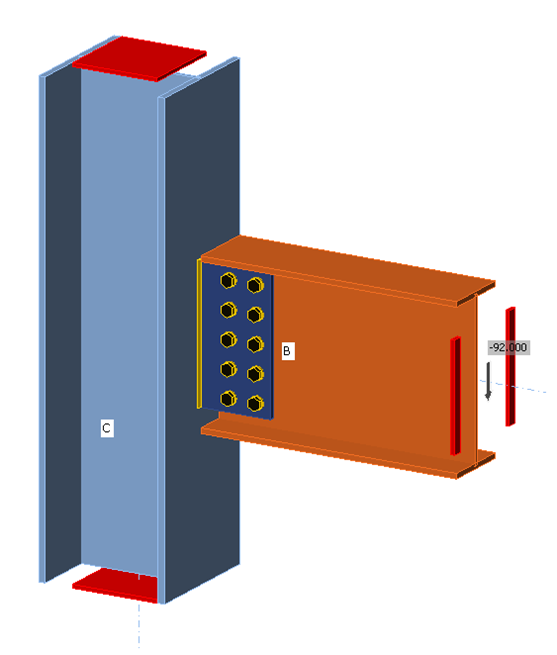
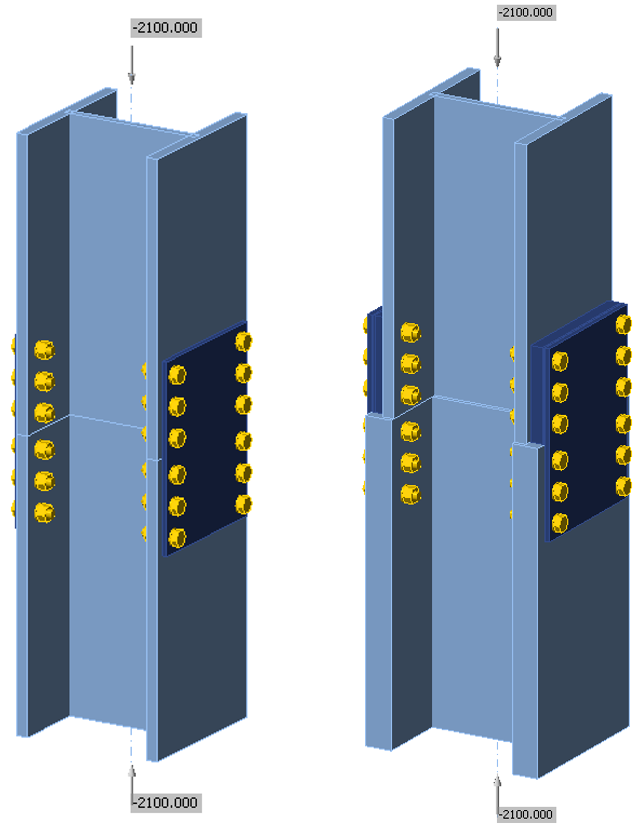
How many of them are out there today in the construction practice? Well, probably we can't answer that one 100% correctly as there is always space for some new type to be invented. But based on the long-term observation of steel structures, the majority belong to quite a narrow range. A few typical examples are: