To understand why this matters, let’s look at the reality of anchoring design today.
When baseplates are placed near edges or subjected to complex combinations of tension and shear, verifying the anchoring according to design standards such as EN 1992-4 becomes difficult. In many cases, reinforcement must be considered as part of the check. These verifications are usually carried out by a different engineer — typically the concrete specialist.
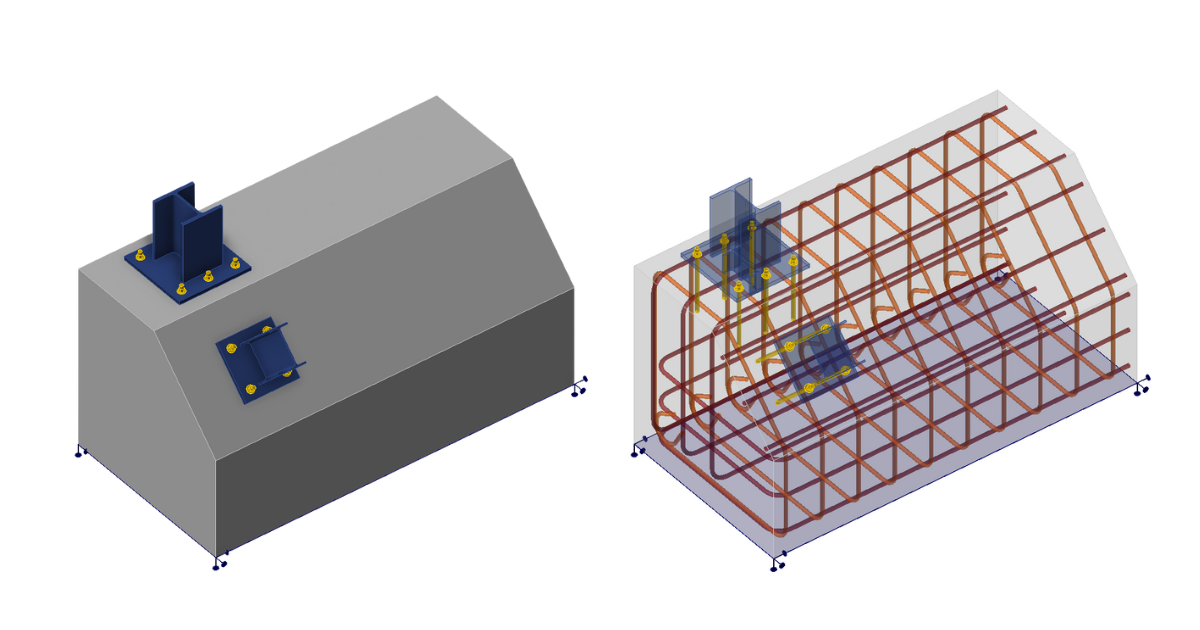
In practice, the steel designer defines the loads, anchor layout, baseplate thickness, and required stiffeners, while the concrete designer performs a separate verification of the concrete block and its reinforcement. As projects evolve, changes in geometry or in load distribution are inevitable. Each modification triggers another redesign cycle and another round of communication between teams — often complicated by inconsistent data exchange, unclear revisions, and mismatched time priorities of the designers.
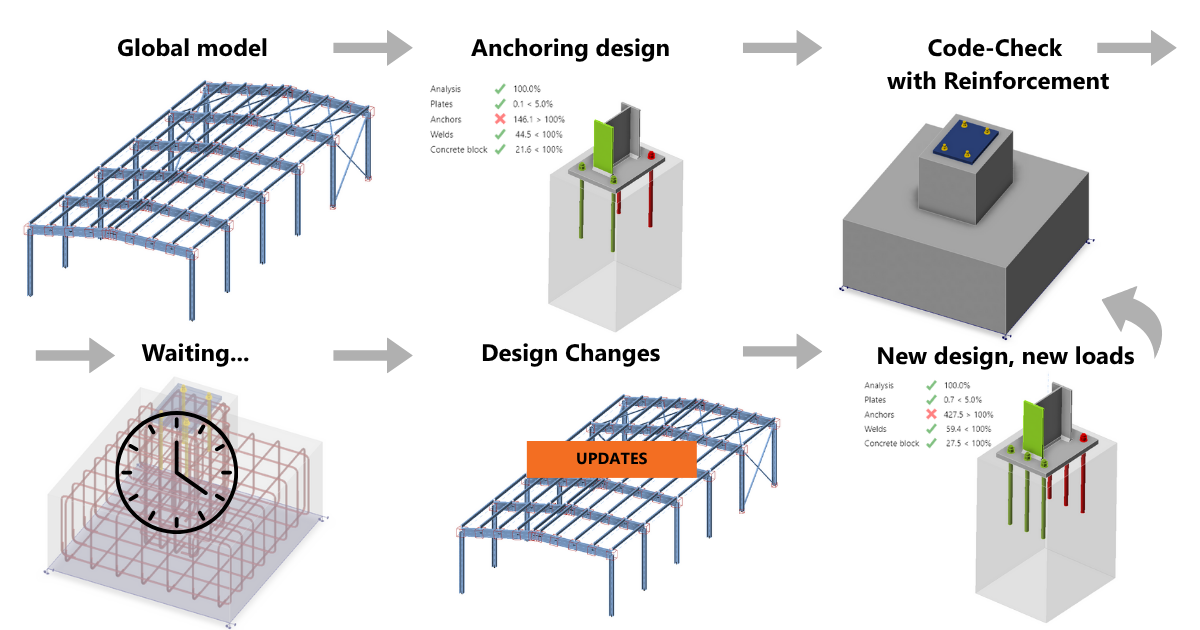
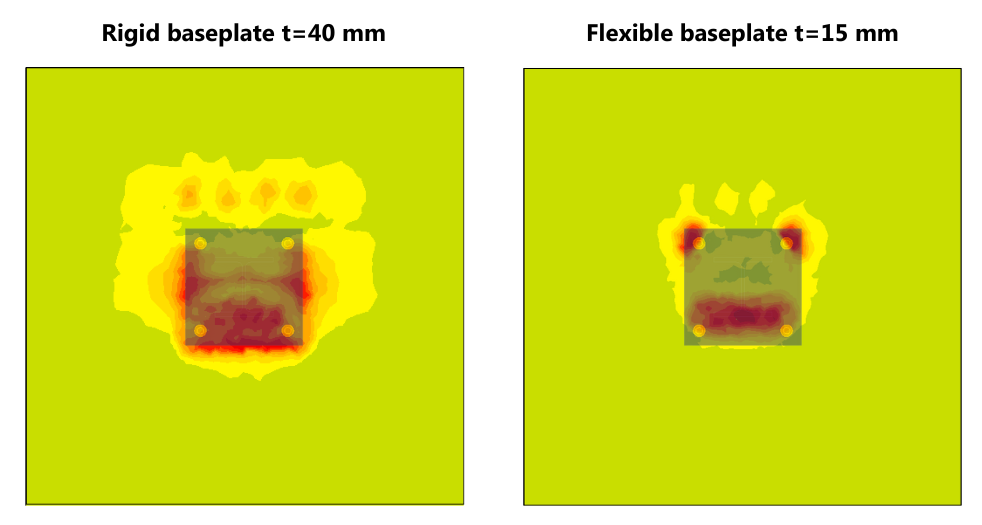
Moreover, the rigid or flexible behavior of the baseplate influences the stress in the concrete. And even if the steel designer wants to code-check the reinforcement independently, without relying on the concrete team, they often lack information about the additional forces the concrete element must resist, especially when anchoring into walls, beams, or columns.
To avoid frustrating delays and coordination loops, engineers often overdesign these details, applying conservative assumptions instead of capturing real behavior.
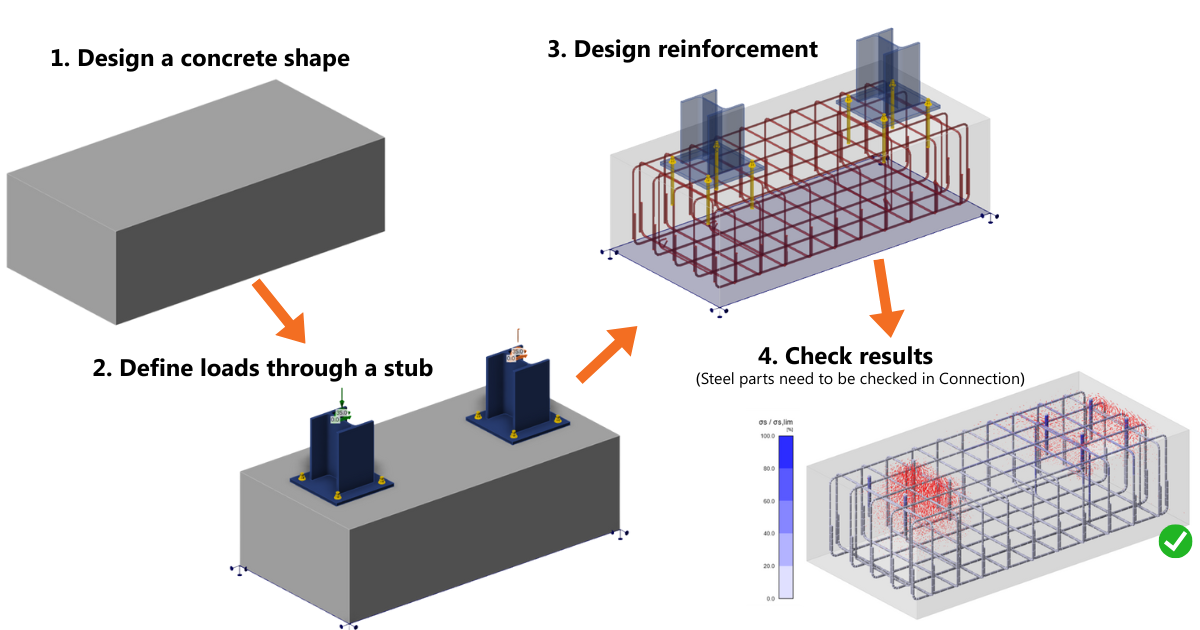
What if both sides could design and verify anchoring systems within the same environment — transparently, accurately, and without waiting for each other’s assumptions?
Anchoring from the steel engineer’s perspective
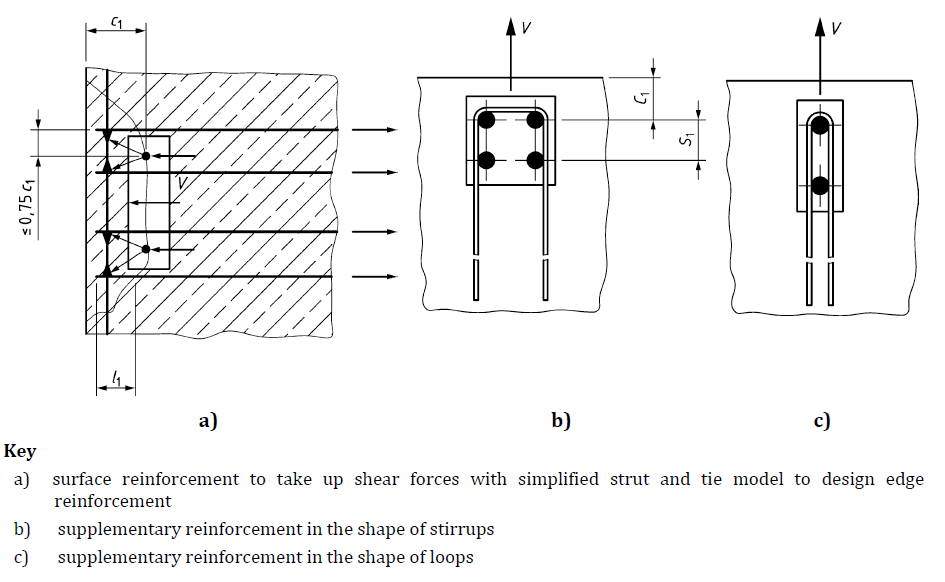
Traditionally, performing a check of supplementary reinforcement would require a deep understanding of the strut-and-tie method, especially for complex cases. It also requires an intuitive sense of stress flow within concrete. This is knowledge that only comes from years of experience, but with the in IDEA StatiCa Detail, the design becomes intuitive and code-based. As a structural engineer primarily focused on steel design, I don’t need to be a specialist in reinforced concrete to consider supplementary reinforcement.