
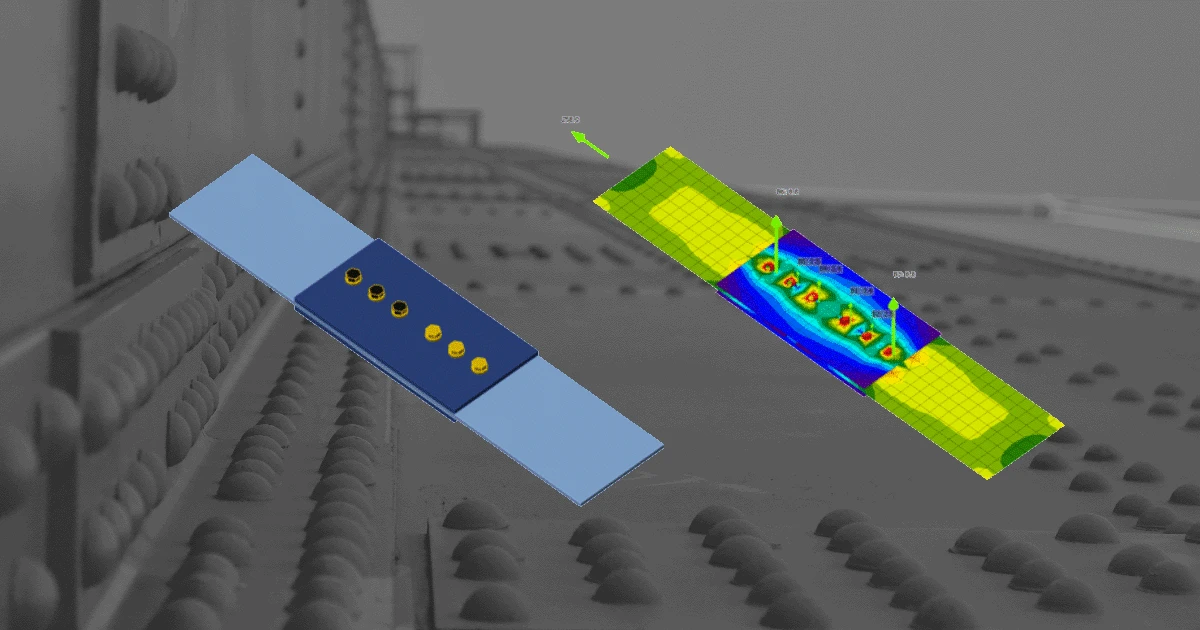


Csavarmodell a CBFEM szerint
Az IDEA StatiCa egyedi módszert alkalmaz a megoldójában: a Component-based Finite Element Method (CBFEM). A CBFEM-ben alkalmazott csavarmodell leírása és ellenőrzése több acélszerkezeti tervezési szabvány szerint is megtörtént. A teherbírás és az alakváltozási kapacitás összehasonlítása a legfontosabb kísérleti kutatási programokkal is elvégzésre került.
A Component-Based Finite Element Method (CBFEM) módszerben a csavar – húzásban, nyírásban és palástnyomásban tanúsított viselkedésével együtt – olyan komponens, amelyet egymástól függő nemlineáris rugók írnak le. A húzott csavart egy rugó írja le, amelynek jellemzői: tengelyirányú kezdeti merevség, méretezési ellenállás, a folyás kezdete és az alakváltozási kapacitás. A folyás kezdetének és az alakváltozási kapacitásnak a meghatározásánál azt feltételezzük, hogy a képlékeny alakváltozás csak a csavar szárának menetes részén következik be.
Az Elméleti háttérben megtalálható részletesebb információ arról, hogyan írja le és ellenőrzi a CBFEM módszer a csavarokat. Ha általánosságban szeretne többet megtudni a CBFEM-ről, az átfogó Általános elméleti háttér mindenképpen a legjobb kiindulópont.
Csavarok tervezési szabványok szerint
Nézzük meg, hogyan közelíti meg a CBFEM a csavarokat az egyes tervezési szabványok szempontjából. Az IDEA StatiCa eddig nyolc tervezési szabványt támogat, amelyekben a csavarok és az előfeszített csavarok tervezése és/vagy elrendezési szabályai kerülnek meghatározásra.
Csavarok és előfeszített csavarok szabványellenőrzése Eurocode szerint
A nyírt csavarok kezdeti merevsége és méretezési ellenállása a CBFEM-ben az EN 1993-1-8 3.6. és 6.3.2. cikkelye szerint kerül modellezésre. A palástnyomást és húzást reprezentáló rugó bilineáris erő-alakváltozás viselkedéssel rendelkezik, amelynek kezdeti merevsége és méretezési ellenállása az EN 1993-1-8 3.6. és 6.3.2. cikkelye szerint kerül meghatározásra.
Elrendezési szabályok
A csavarok ellenőrzése akkor történik meg, ha a lehetőség ki van választva a Szabványbeállításokban. A csavar középpontjától a lemez széleiig, valamint a csavarok közötti távolságok ellenőrzésre kerülnek. Az EN 1993-1-8 3.3. táblázatában ajánlott peremtávolság e = 1,2, a csavarok közötti távolság p = 2,2. A felhasználók mindkét értéket módosíthatják a Szabványbeállításokban.
Csavarok és előfeszített csavarok szabványellenőrzése AISC szerint
A csavarokban ébredő erőket végeselem-analízissel határozzák meg. A húzóerők tartalmazzák a feszítő erőket is. A csavarok ellenállásának ellenőrzése az AISC 360 – J3. fejezete szerint történik.
Elrendezési szabályok
A csavarok közötti minimális távolság, valamint a csavar középpontjától a csatlakoztatott elem széléig mért minimális távolság ellenőrzésre kerül. A csavarok tengelyei közötti minimális távolság – amely a névleges csavarátmérő 2,66-szorosa (a Szabványbeállításokban módosítható) – az AISC 360-16 – J.3.3. szerint kerül ellenőrzésre. A csavar középpontjától a csatlakoztatott elem széléig mért minimális távolság az AISC 360-16 – J.3.4. szerint kerül ellenőrzésre; az értékek a J3.4 és J3.4M táblázatokban találhatók.
Csavarok és előfeszített csavarok szabványellenőrzése egyéb szabványok szerint
Csavar elrendezési szabályok
A távolságok beállítása
A palástnyomási ellenállás számításához használt peremtávolságoknak általános lemezgeometriákra, nyílásokkal és kivágásokkal rendelkező lemezekre egyaránt érvényesnek kell lenniük.
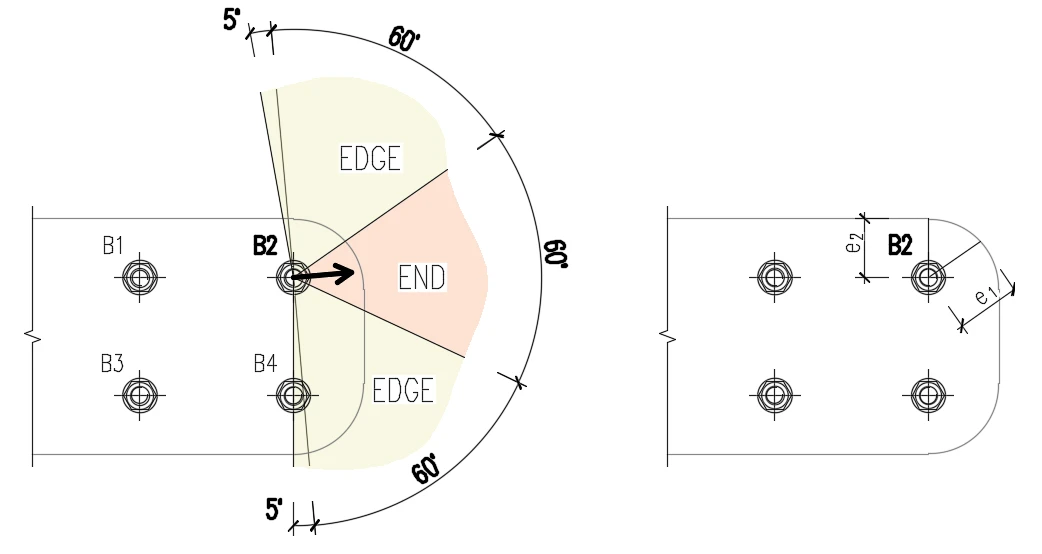
Az algoritmus leolvassa az adott csavarban ébredő eredő nyíróerő-vektor tényleges irányát, majd kiszámítja a palástnyomás-ellenőrzéshez szükséges távolságokat.
A végtávolságot (e1) és a peremtávolságot (e2) a lemez kontúrjának három szakaszra osztásával határozzák meg. A végszekcióját az erővektor irányában lévő 60°-os tartomány jelöli ki. A peremszakaszokat az erővektorra merőleges két 65°-os tartomány határolja. A csavartól az adott szakaszig mért legrövidebb távolságot veszik figyelembe végtávolságként, illetve peremtávolságként.
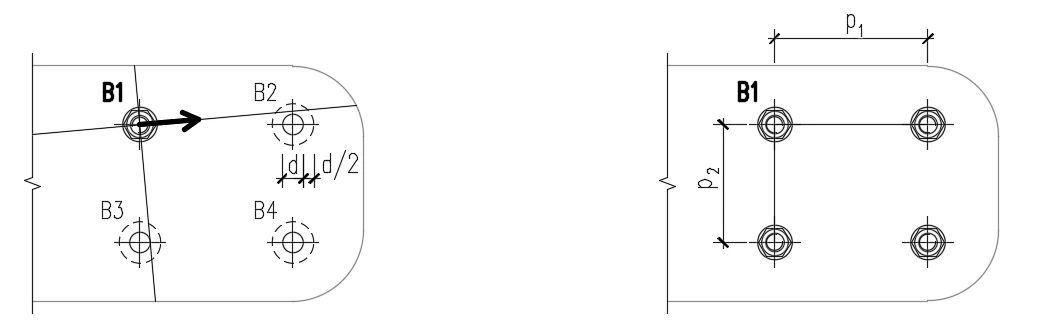
A csavarlyukak közötti távolságokat (p1; p2) úgy határozzák meg, hogy a szomszédos csavarlyukakat virtuálisan megnagyobbítják azok félátmérőjével, majd két egyenest húznak a nyíróerő-vektor irányában és arra merőlegesen. Az ezen egyenesekkel metszett megnagyobbított csavarlyukakig mért távolságokat veszik figyelembe p1 és p2 értékeként a számításban.
Ellenőrzési példák
Több ellenőrzési példát készítettünk az eredmények más számítási módszerekkel való összehasonlításához.
EN
AISC
Szabadalmaztatott technológia statikus mérnökök számára
Tudta, hogy csavarmodell-megoldásunk egy amerikai szabadalom részét képezi? Olvassa el itt a sikersztorink.

Egycsuklós csukló – megoldásunk
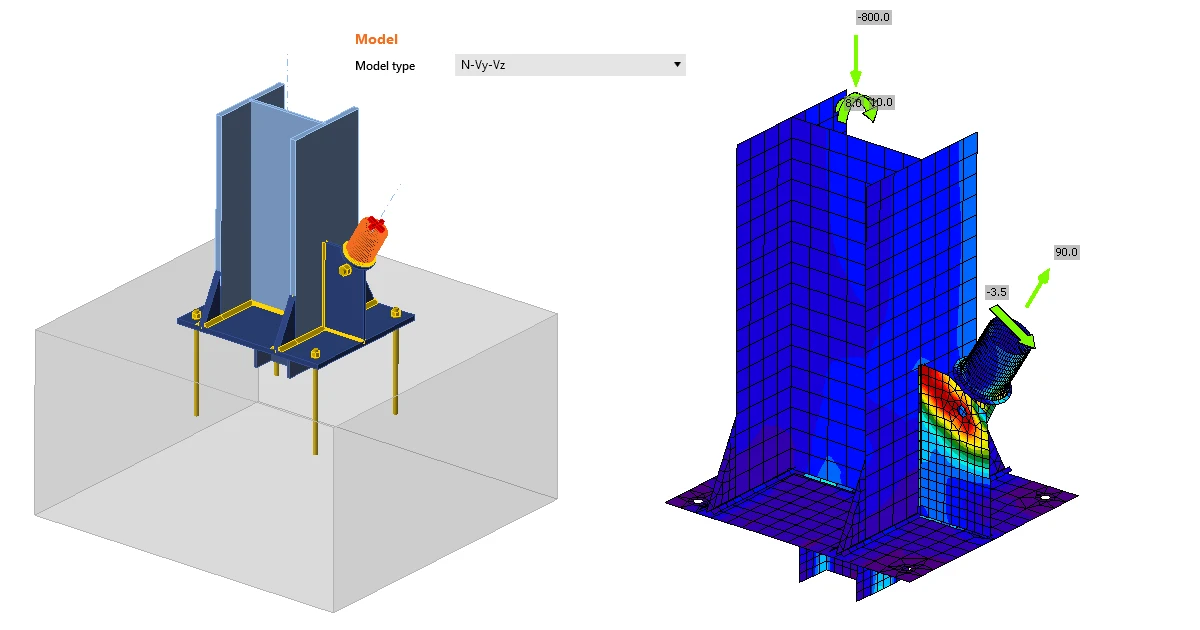
Néha a mérnöknek egyetlen csavarral kialakított csukló szükséges, különösen akkor, ha például csuklót, merevítőt, rudat vagy átlós elemet kell kialakítani. Az ilyen típusú művelet modellezéséhez és számításához meg kell adni a szerkezeti elem megfelelő Modell típusát. Erről bővebben itt olvashat.
Csavarok, hegesztések és a csukló merevsége
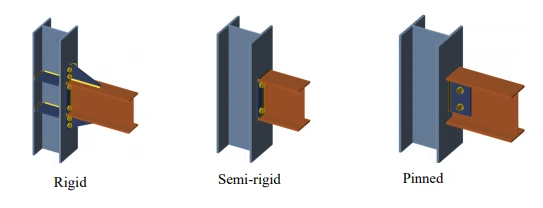
Mind a csavaroknak, mind a hegesztéseknek megvannak az előnyeik és hátrányaik. A csukló kiválasztásakor az egyik fontos szempont a tervezett merevség. Általánosságban elmondható, hogy egy csavarkötés soha nem olyan merev, mint egy hegesztett kötés. Ha csavarkötést választ, javasoljuk az ilyen kapcsolat merevségének kiszámítását, és az eredő merevség figyelembevételét a teljes szerkezetben. Arról, hogy egy ilyen számítás hogyan néz ki és mit foglal magában, itt olvashat, vagy megtekintheti ezt a videót.
Widget #NaN: widget_iframe
Name: iframe widget - Newsletter Subscription
ID: a1697b47-e5f7-4009-8b18-a29b3b27db65
Show Raw Data
{
  "iframe_title": {
    "name": "Title",
    "type": "text",
    "value": "Csatlakozzon 10 000 mérnöktársához"
  },
  "iframe_description": {
    "name": "Description",
    "type": "text",
    "value": "Kapjon szakértői mérnöki tippeket közvetlenül a postaládájába.\nIratkozzon fel az IDEA StatiCa hírlevelére alább."
  },
  "iframe_url": {
    "name": "iframe URL",
    "type": "text",
    "value": "https://campaign.ideastatica.com/newsletter-subscription"
  },
  "iframe_height": {
    "name": "Height",
    "type": "number",
    "value": 650
  },
  "iframe_width": {
    "name": "Width",
    "type": "number",
    "value": 850
  },
  "visibleinregion": {
    "name": "VisibleInRegion",
    "type": "multiple_choice",
    "value": []
  },
  "regions": {
    "name": "Region",
    "type": "taxonomy",
    "value": [],
    "taxonomyGroup": "region"
  },
  "translation__translation_connector": {
    "name": "Translation Connector",
    "type": "taxonomy",
    "value": [],
    "taxonomyGroup": "languages"
  },
  "translation__force_translation": {
    "name": "Force translation",
    "type": "multiple_choice",
    "value": []
  },
  "translation__translate_standalone_nested_content_items": {
    "name": "Translate standalone nested content items",
    "type": "multiple_choice",
    "value": []
  },
  "translation__last_translation": {
    "images": [],
    "linkedItemCodenames": [],
    "linkedItems": [],
    "links": [],
    "name": "Last translation",
    "type": "rich_text",
    "value": "<p>Translation info:</p>\n<ul>\n  <li>cs-CZ: Translated on 29.5.2026 12:04</li>\n  <li>de-DE: Translated on 29.5.2026 12:42</li>\n  <li>en-US: Never translated</li>\n  <li>es-ES: Translated on 29.5.2026 14:29</li>\n  <li>fr-FR: Translated on 29.5.2026 13:20</li>\n  <li>hu-HU: Translated on 29.5.2026 16:24</li>\n  <li>it-IT: Translated on 29.5.2026 13:54</li>\n  <li>ko-KR: Never translated</li>\n  <li>nl-NL: Translated on 29.5.2026 15:07</li>\n  <li>pl-PL: Never translated</li>\n  <li>pt-PT: Translated on 29.5.2026 15:45</li>\n  <li>ro-RO: Never translated</li>\n  <li>ru-RU: Never translated</li>\n  <li>th-TH: Never translated</li>\n  <li>tr-TR: Never translated</li>\n  <li>vi-VN: Never translated</li>\n  <li>zh-CN: Never translated</li>\n</ul>\n<p>Publish info:</p>\n<ul>\n  <li>Publish info is available only in the main language</li>\n</ul>"
  },
  "translation__ai_translated": {
    "name": "AI translated",
    "type": "multiple_choice",
    "value": [
      {
        "name": "Translated",
        "codename": "translated"
      }
    ]
  },
  "translation___experimental__synchronize_content_references": {
    "name": "[Experimental] Synchronize content references",
    "type": "multiple_choice",
    "value": []
  },
  "translation___experimental__selective_element_translation": {
    "name": "[Experimental] Selective translation",
    "type": "multiple_choice",
    "value": []
  },
  "translation__selectivetranslationelementid": {
    "name": "selectiveTranslationElementId",
    "type": "custom",
    "value": null
  }
}