ArcelorMittal engineers deepen their proficiency with IDEA StatiCa
We are pleased to share insights on a recent collaborative webinar with ArcelorMittal, a global leader in steel production. The session brought together several experts from the field of steel design, including our own Product Engineer, Sebastiaan van Hassel.
Our contribution focused on the application of advanced digital tools in structural design. The webinar marked another step in our collaboration with ArcelorMittal, where our CBFEM-based software continues to support their rigorous standards for safety, efficiency, and sustainability. The decision of ArcelorMittal’s engineers to deepen their proficiency with IDEA StatiCa highlights our shared commitment to engineering excellence and modern, data-driven design workflows.
This article reviews the key outcomes of the session and examines how combining advanced software with material expertise strengthens the development of modern infrastructure.
The engineering precision imperative
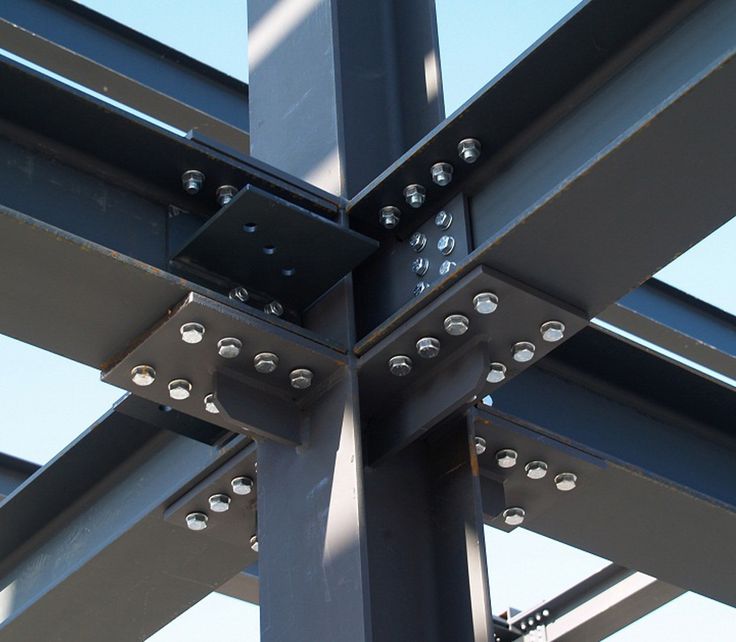
ArcelorMittal’s products are integral to some of the world’s most complex structures. To ensure these materials perform as intended, engineers need tools that can mirror real-world behavior while streamlining the design process. This is where advanced software solutions come into play, particularly for the intricate domain of connection design and member verification.
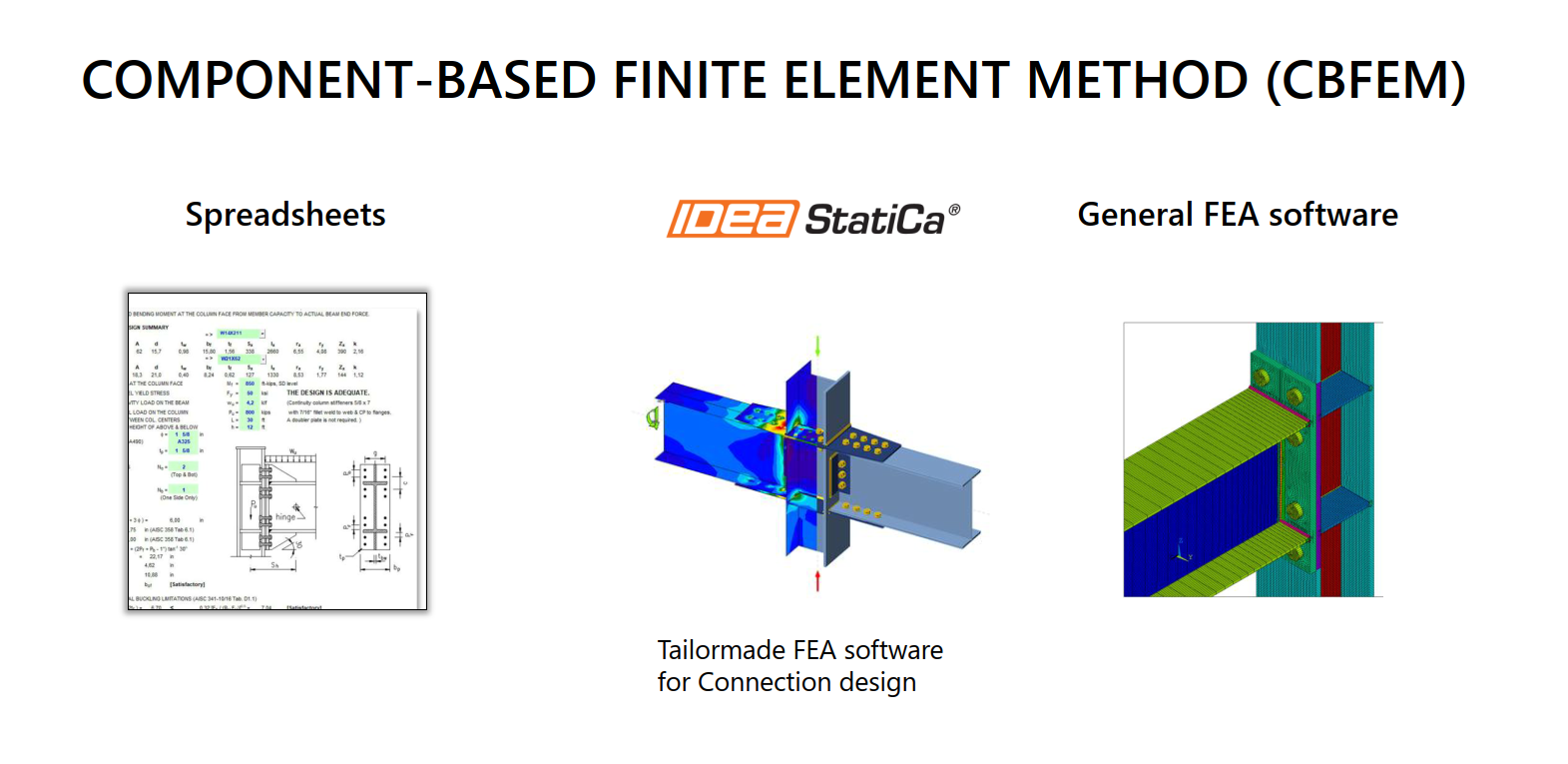
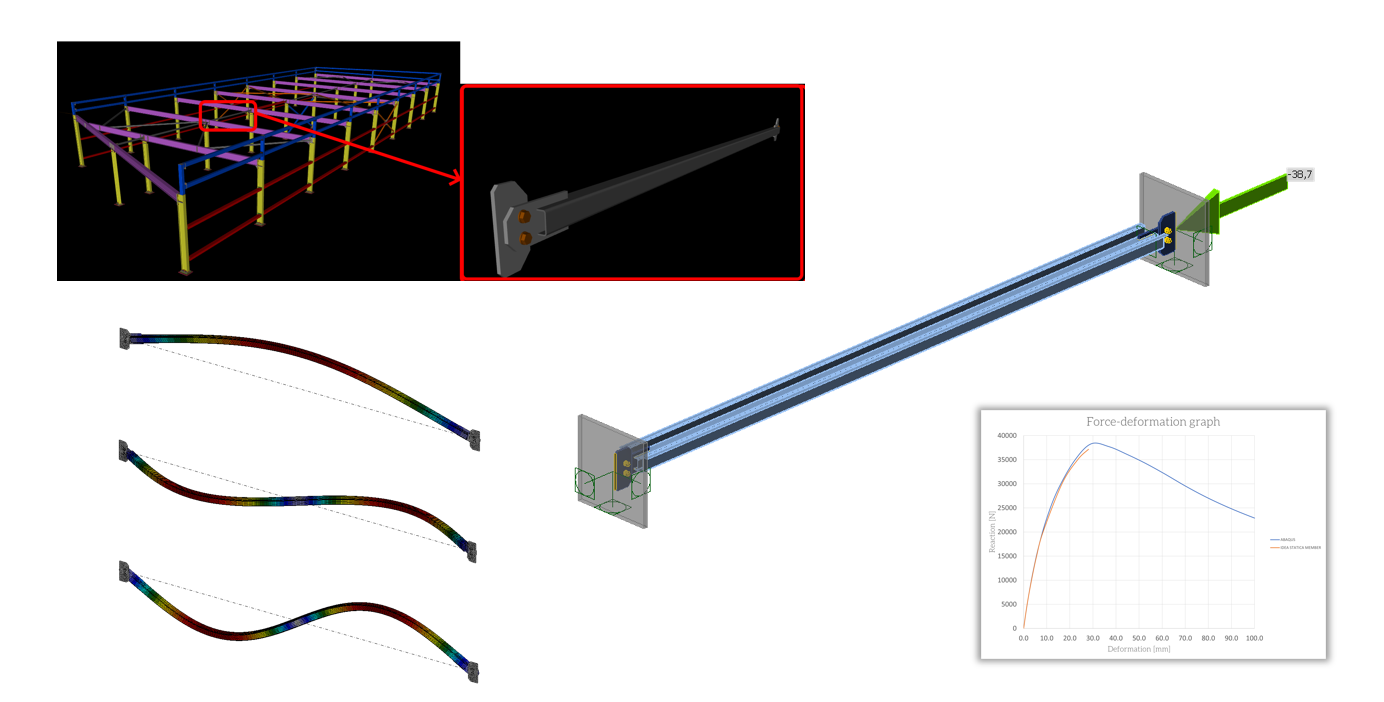
The company has integrated specialized engineering software into its core workflows to bridge the gap between theoretical design and practical application. One such tool is IDEA StatiCa, a platform known for its Component-Based Finite Element Method (CBFEM)—a hybrid approach that combines the efficiency of the Component Method with the detailed insight of Finite Element Analysis. For ArcelorMittal, this isn’t just about software adoption; it’s about building a ecosystem where digital design, material science, and fabrication realities align seamlessly.