We asked, you answered, we listened and we delivered!
Software vendors have long been criticized for not giving their customers what they actually want – they have a long history of giving them what the vendors think they want!
This is why IDEA StatiCa commissioned a survey of their users in the UK. The aim of the survey was to better understand the wants and needs of our customers.
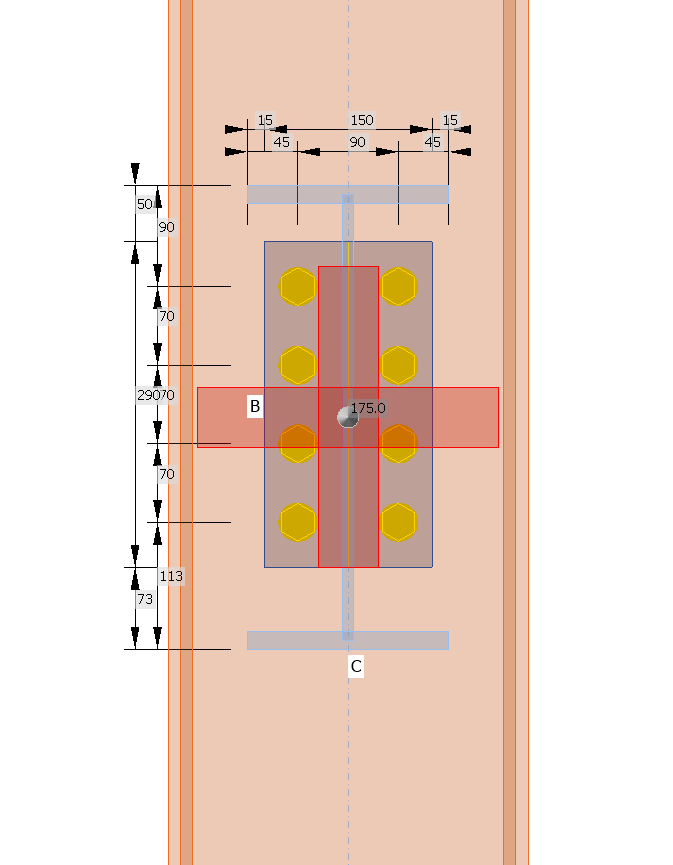
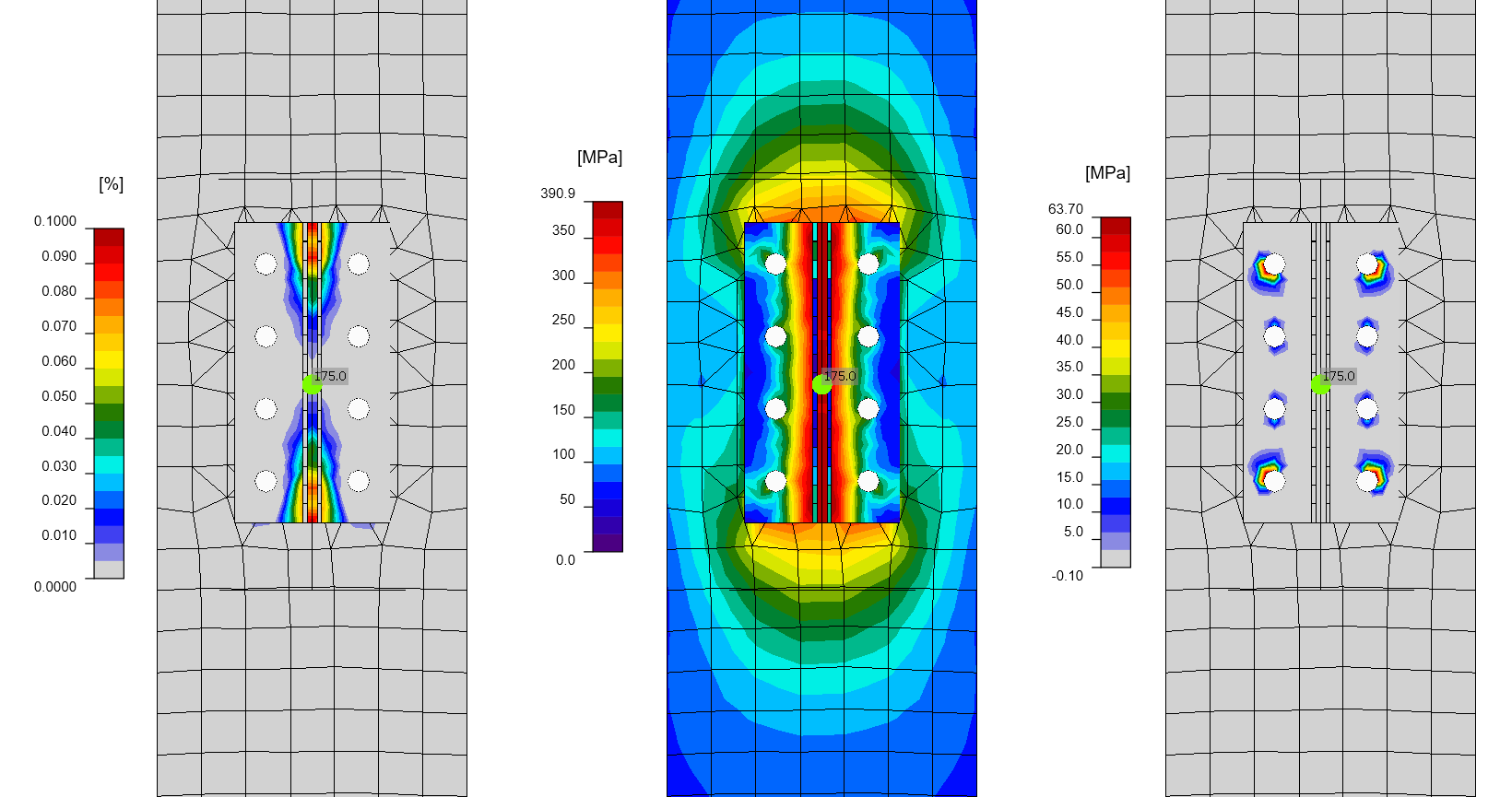
As a direct result of this, we have introduced a new analysis method called horizontal tying resistance in the new IDEA StatiCa version 22.1, released in October 2022. But what does this new feature address?
We, as structural engineers, know how buildings should behave and they are designed to withstand forces we can safely predict. What happens, however, when things we cannot predict occur? Accidental damages from an impact or explosion are exceptional circumstances and can be allowed when designing a building. Although many countries and their design codes address this, I am going to approach this article from a Eurocode perspective, in particular addressing UK compliance.
Robustness is defined in BS EN 1991-1-7 Actions on structures. General actions. Accidental actions, as follows:
"Robustness is the ability of a structure to withstand events like fire, explosions, impact or the consequences of human error, without being damaged to an extent disproportionate to the original cause."
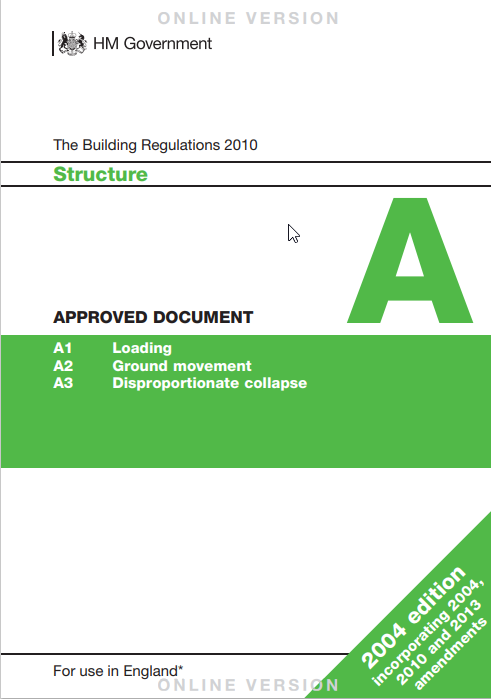
For steel framed buildings, this is mainly provided by adequate connection design although as buildings get more complex other factors do come into play. This is also a requirement for UK Building Regulations approval.
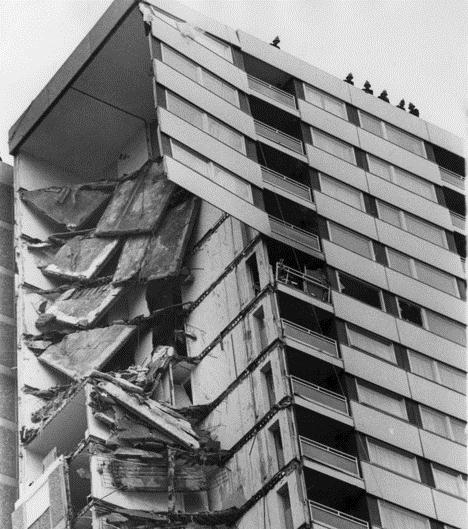
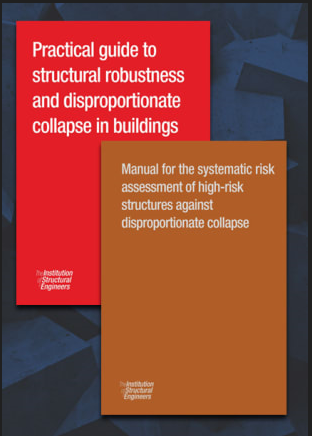
The requirement does have some historical background: in 1968 the Ronan Point disaster is an example of where progressive collapse resulted in a disproportionate collapse. Confused? The terms disproportionate collapse and progressive collapse are often used interchangeably, but it is possible to make a distinction: progressive collapse is the spread of structural collapse from the initial point of failure of one or more localized structural elements. If progressive collapse occurs it does not necessarily result in disproportionate collapse. See for further information.