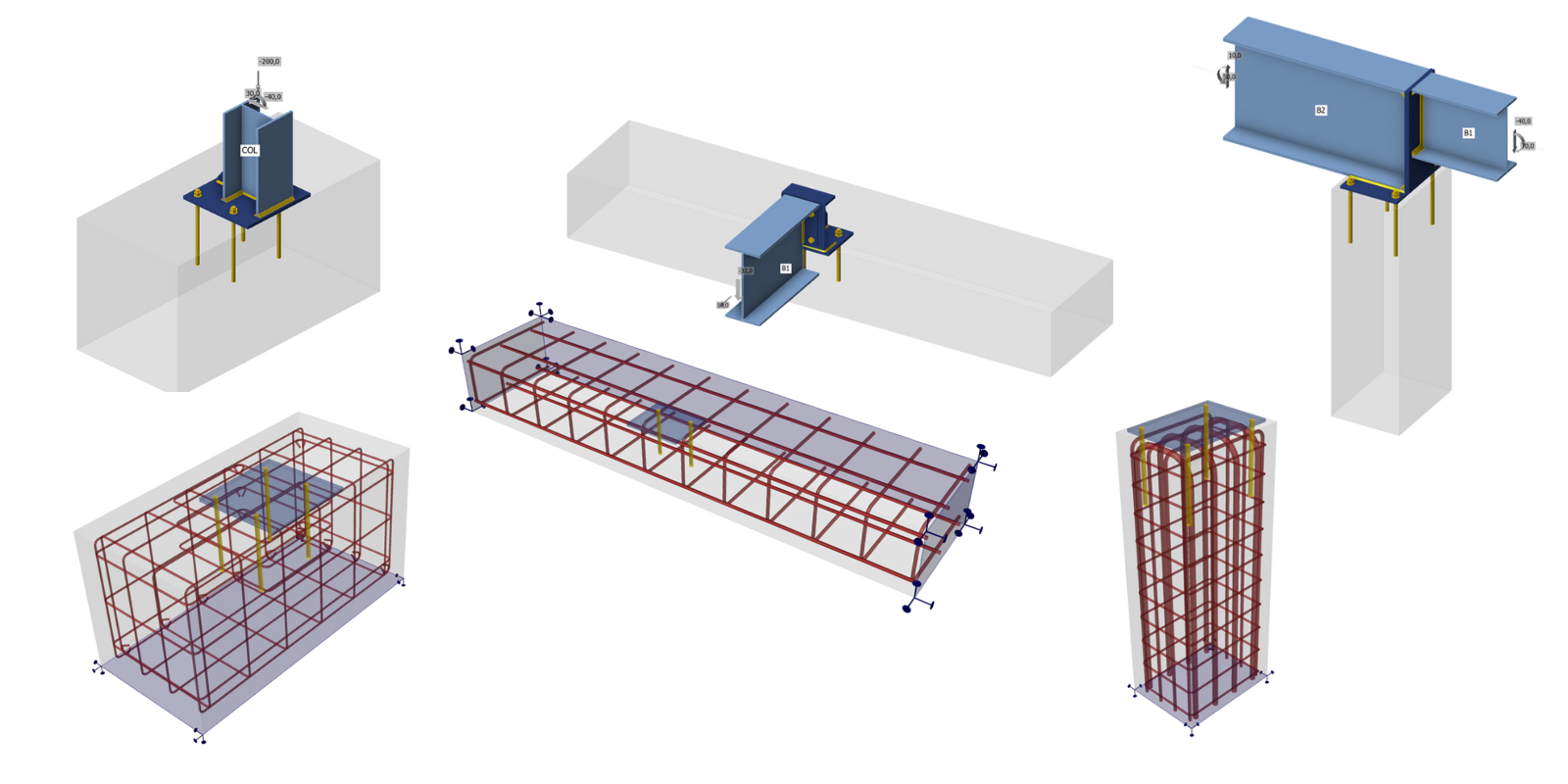
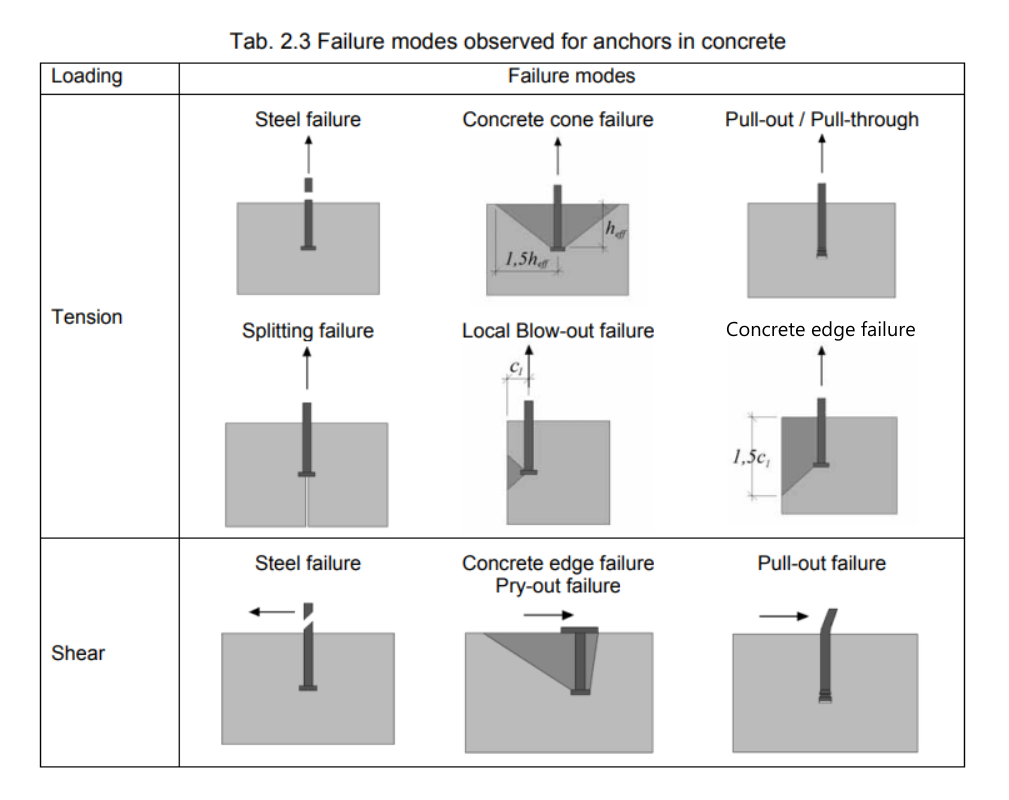
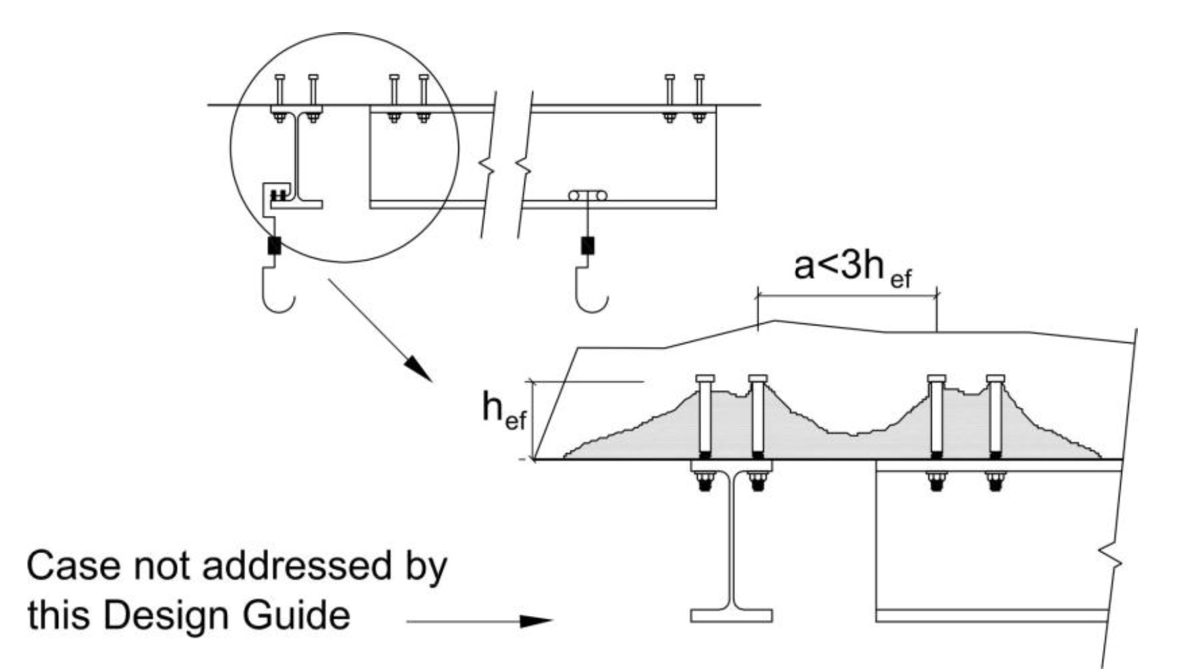
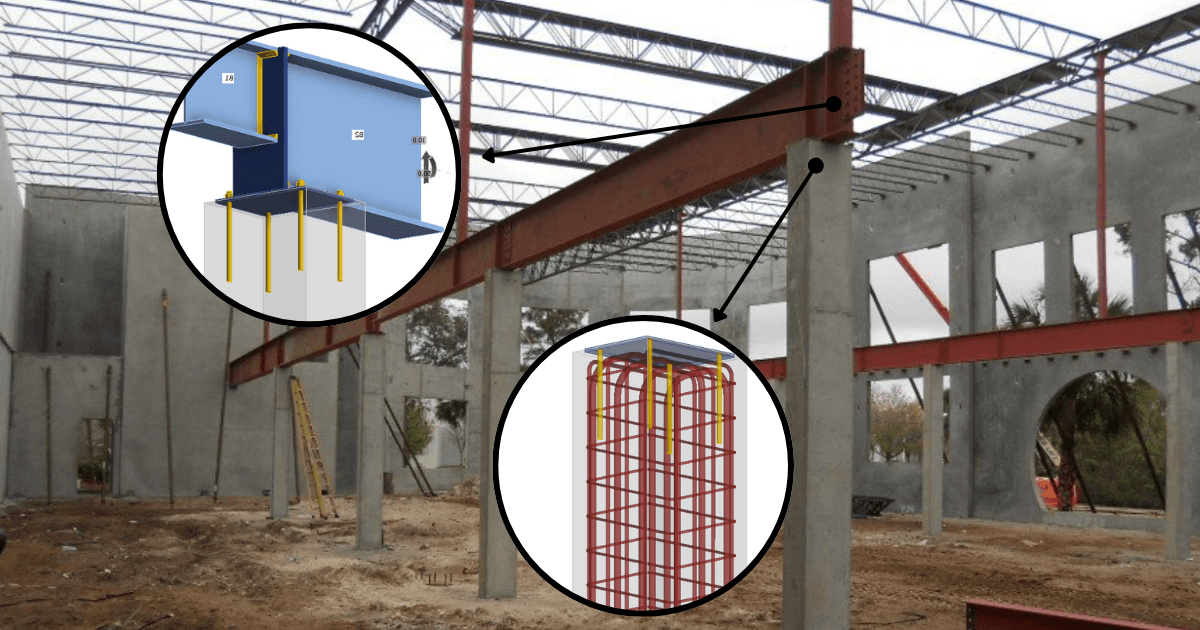
One could say, "Just design what the standard explicitly allows us." But let’s do a reality check: that’s simply not how it works, whether for the tight spaces or technical and architectural requirements. And so, anchoring that could be considered "on edge" (figuratively) – or better said, specific types of anchoring – can be seen all around us. Many cases are precisely calculated and verified with more advanced methods (even if it may have taken an excessively long time). However, many cases have probably not been assessed as thoroughly as they deserve.
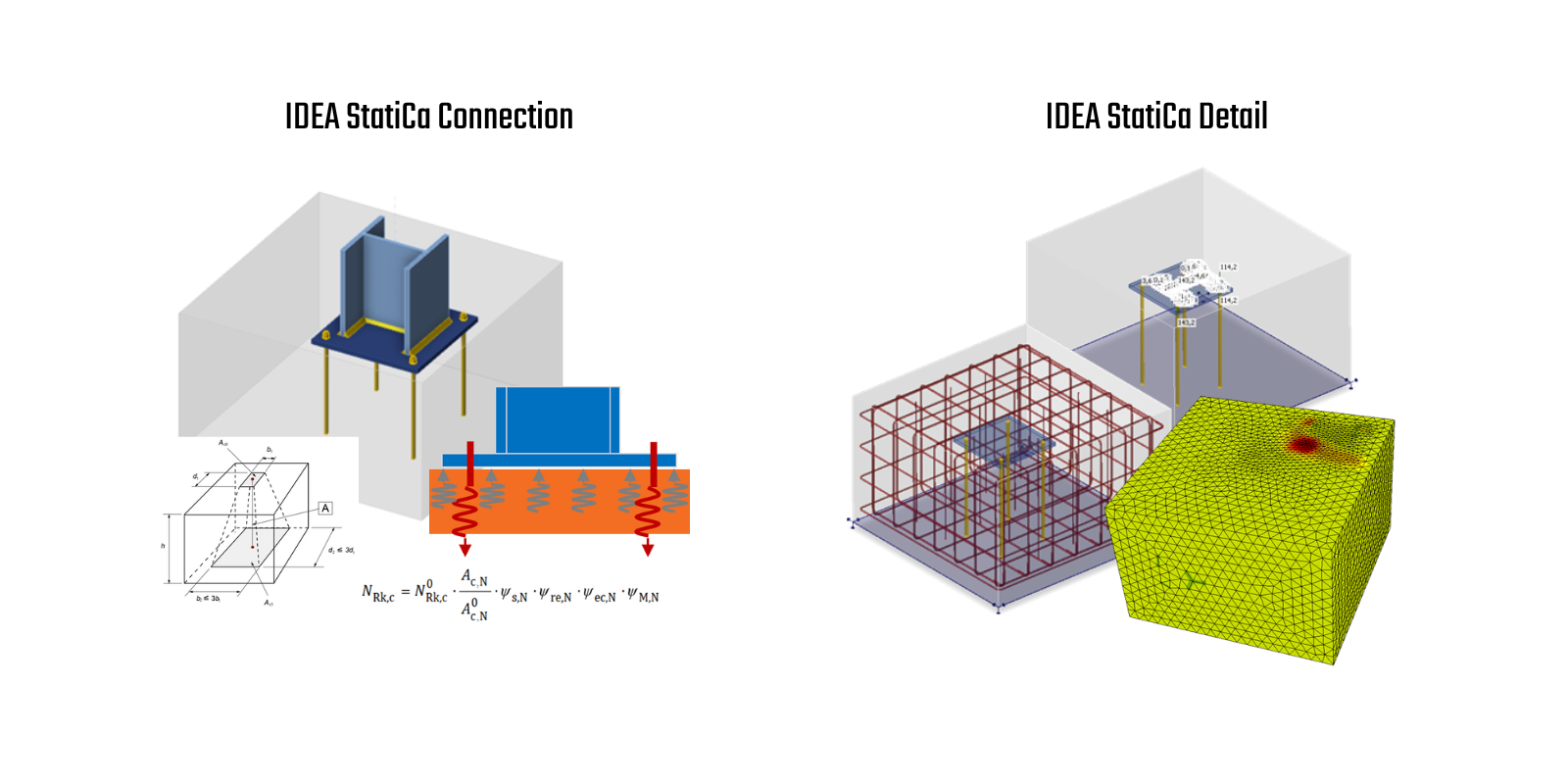
IDEA StatiCa has been changing and pushing forward the design of steel connections, steel and concrete members, and concrete details for some time now. It's not about simplification of the workflow through computerized calculation, it's mainly about the innovative methods that allow us to design the previously unthinkable. Our latest achievement, the release of IDEA StatiCa Detail for 3D, again extends the design possibilities further than before.
Whether you belong to the group that struggles with anchoring designs for days or relies solely on experience but then doesn't sleep soundly, read on.
Doors to new possibilities
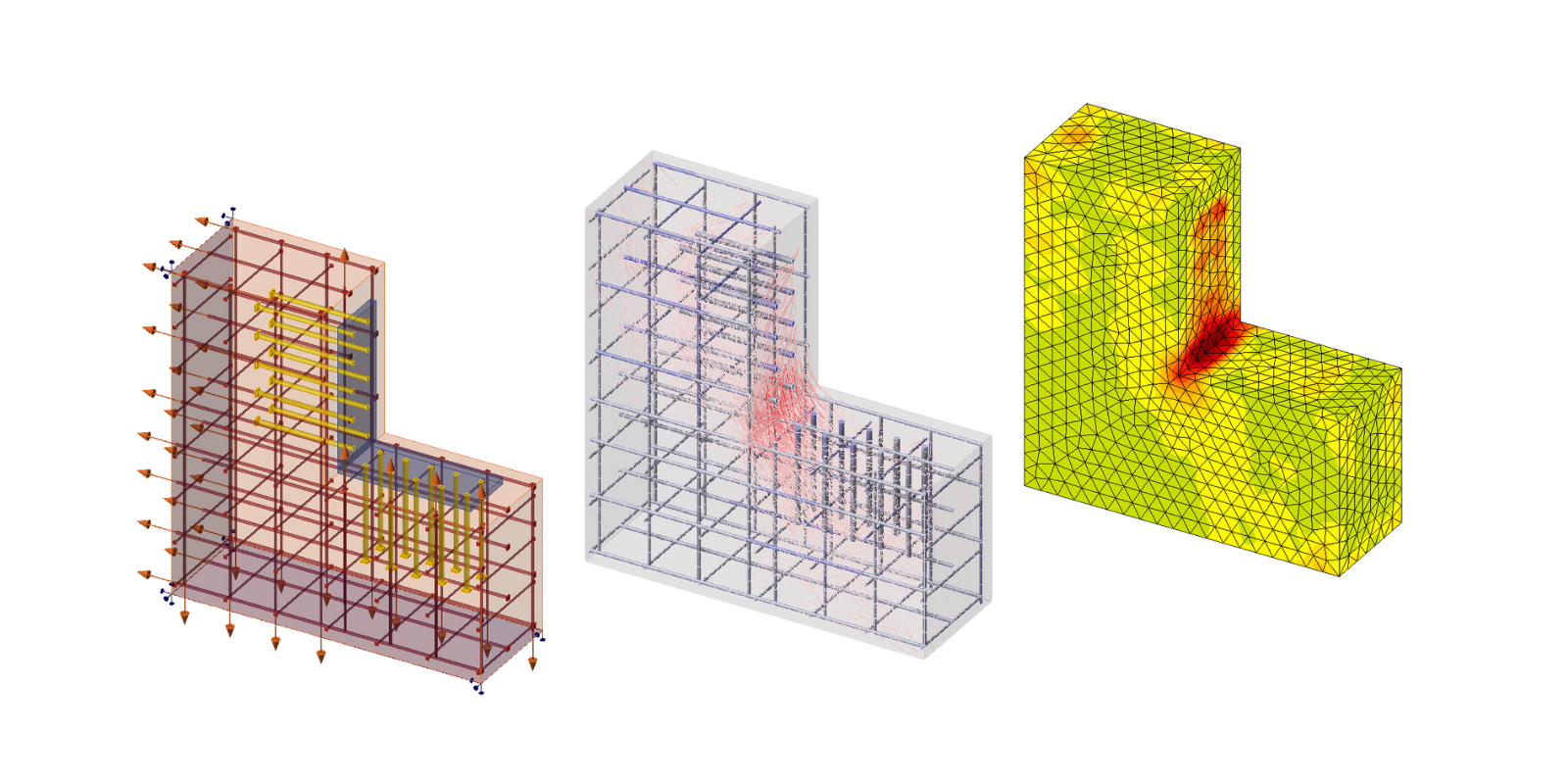
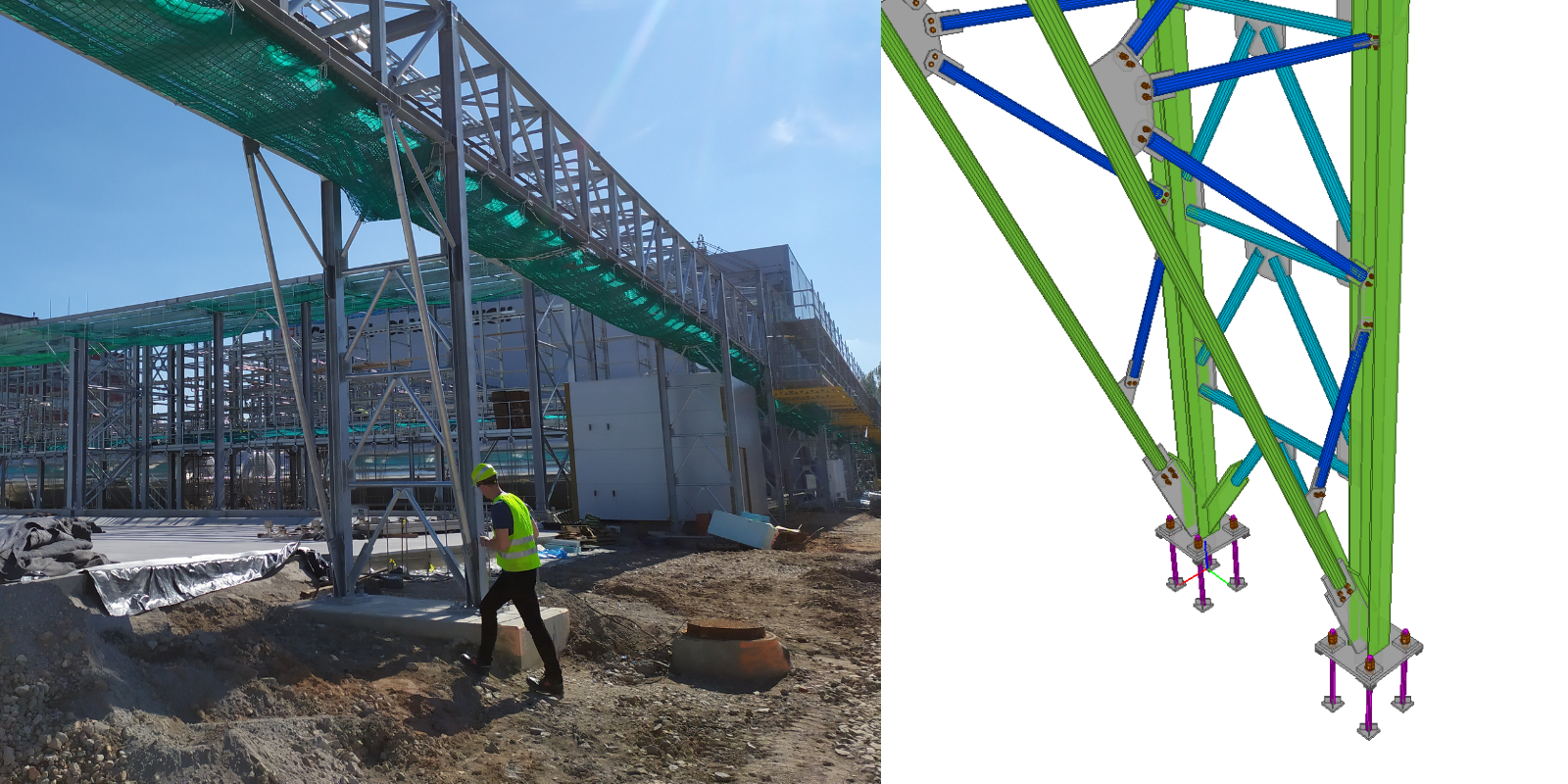
If you are involved in anchoring structures, you can probably think of several cases that have given you a hard time. Here are a few examples that we have recently identified as very difficult to design using only standard practices. But, with the help of our tools IDEA Statica Connection and Detail, it is becoming possible to design in a relatively reasonable amount of time.
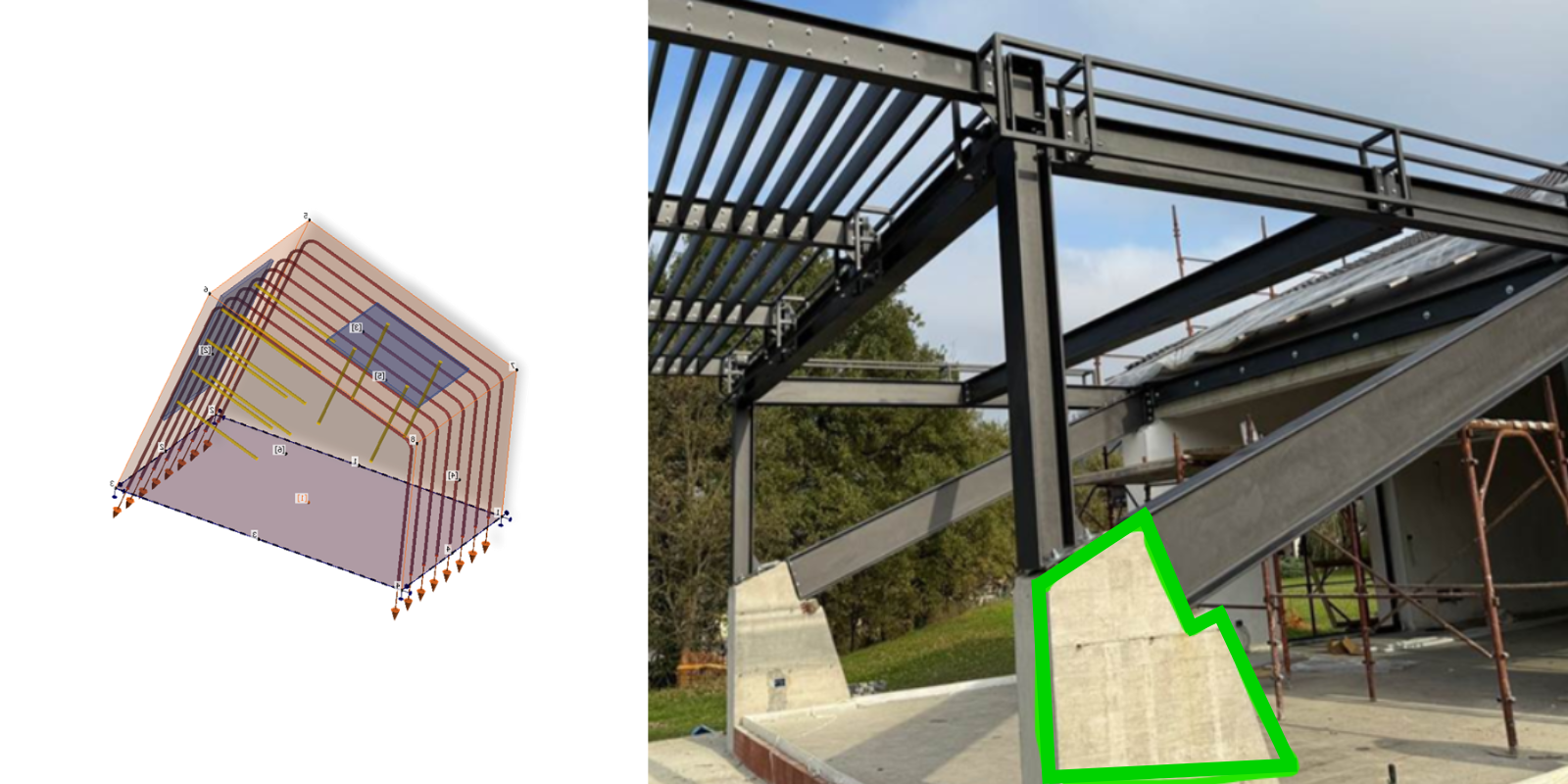
Figure 1: Multiple anchoring into one concrete block