Bridge Load Rating
Most of the unique innovations have been introduced due to the fact that a man is lazy and wants to make his life easier than before. Undoubtedly bridge load rating is a laborious hand-iterative process, especially when it comes to reinforced and/or prestressed concrete bridges. The engineer can spend days and weeks trials and errors in the estimation of bridge load-carrying capacity. The problem lies in the determination of load-bearing capacity of cross-section subjected to the combination of normal and shear forces, bending and torsional moments. Due to the different effect of dead and live loads and the non-linear behavior of concrete, the problem becomes non-linear and its solution requires the use of suitable iterative method.
That is probably why my friend, excellent bridge engineer and user of IDEA StatiCa, came to me with the request to help him and his colleagues with this tedious task…
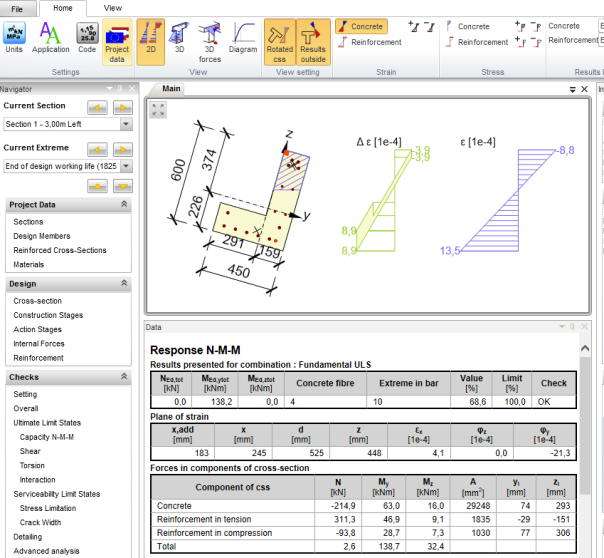
Optimized iterative solution was implemented into IDEA StatiCa software and it results in new module available in version 7.
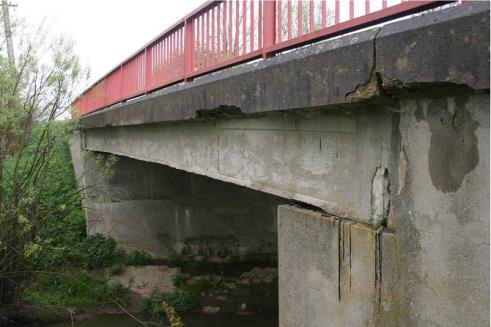
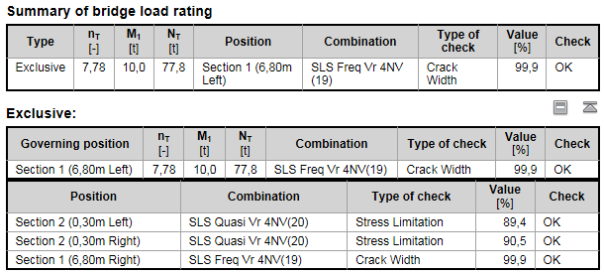
Bridge load rating is the calculation to determine the safe live load carrying capacity of the bridge. Due to the facts that load schemes usually differ from traffic loads defined in design codes and materials possibly suffer from the deterioration, different partial safety factors of materials and loads and different combination factors are used.
Benchmark example
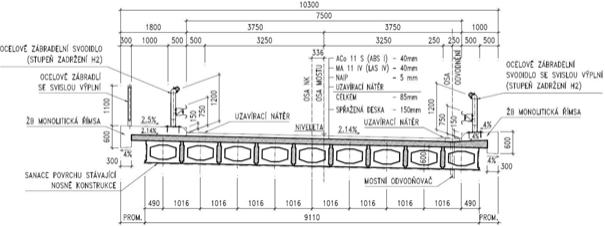
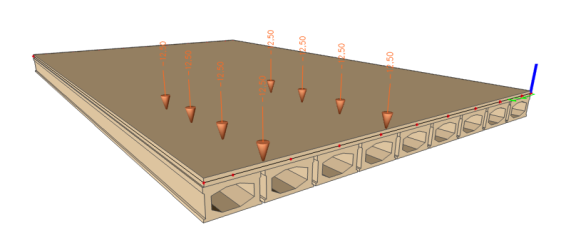
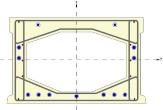
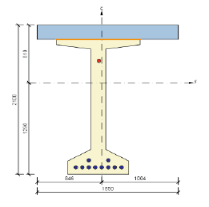
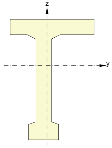
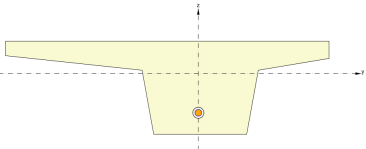
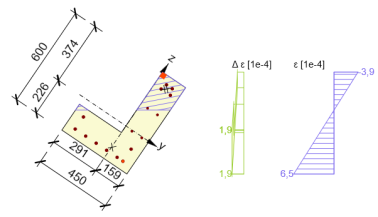
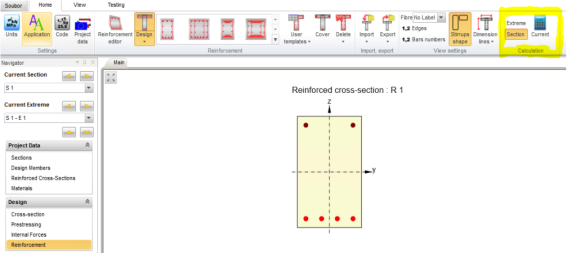
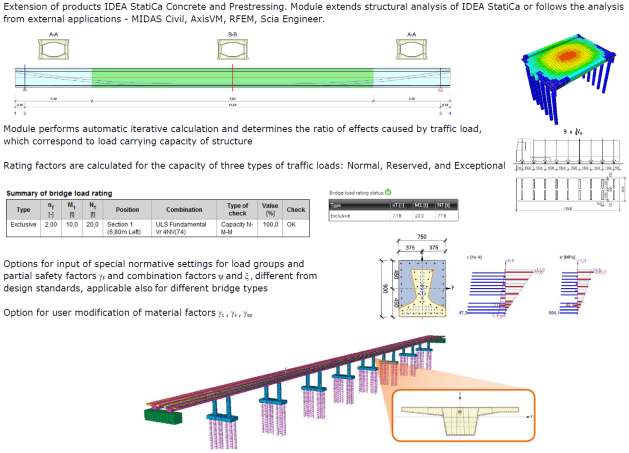
A load rating benchmark example was performed on a simply supported KA61prestressed concrete side-by-side box-beam bridge with a span length equal to 12m and with the cross section shown above.
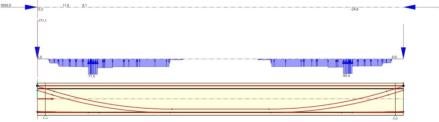
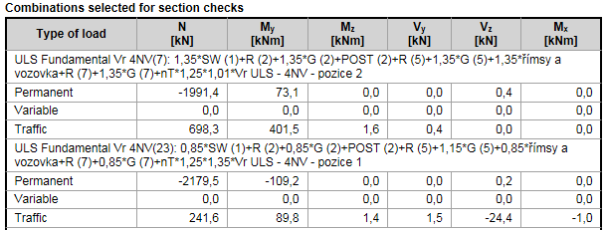
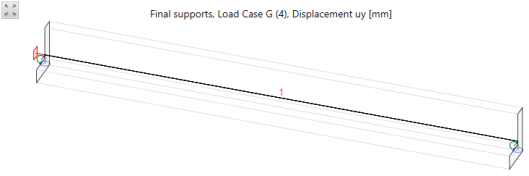
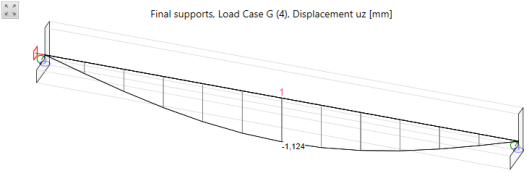
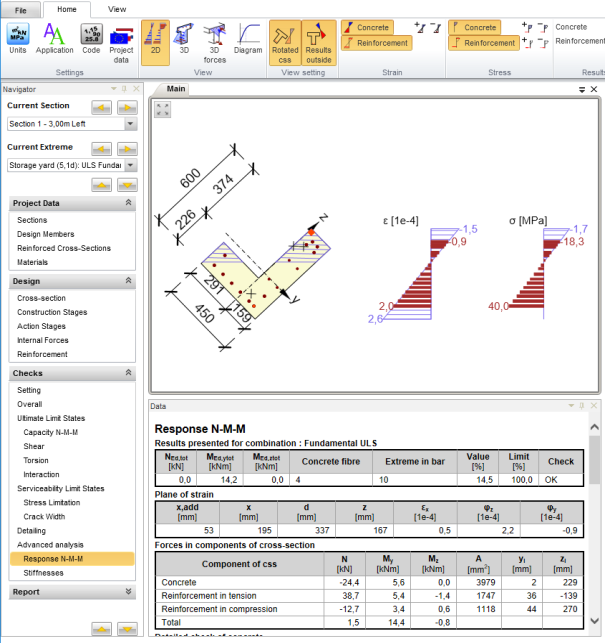
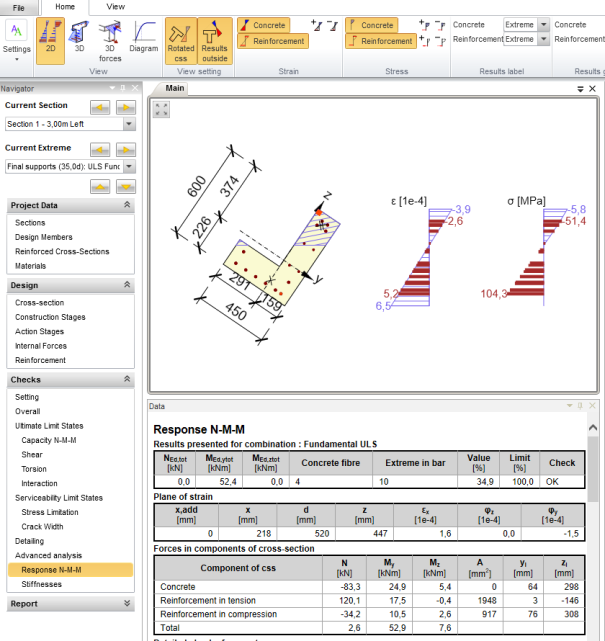
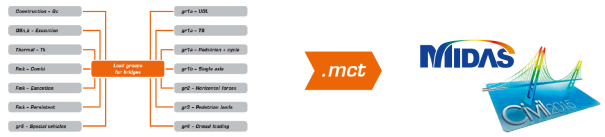
The analysis of moving loads on the bridge beams has been performed in software SCIA Engineer. Based on this analysis, the critical effect of moving loads on particular bridge beam was identified and internal forces in critical moving load cases were exported into IDEA StatiCa. Structural model of bridge beam was created in IDEA Beam application including the design of tendon and reinforcement.