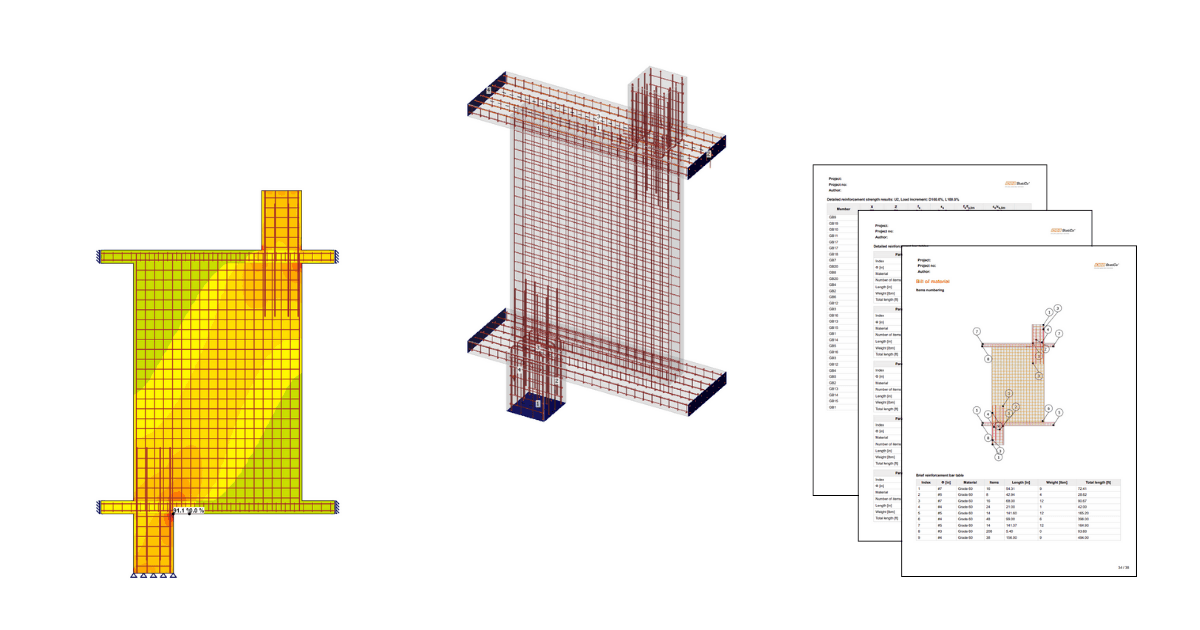
When floor layouts change, like a parking garage beneath a lobby or offices below apartments, it often requires shifting column grids to meet both architectural and functional needs. This is when a walking column provides a smart, practical alternative to bulky transfer beams or visually intrusive raking columns.

a) Raking column arrangement, and b) Transfer column and transfer beam arrangement
A walking column is a structural column that steps or "walks" horizontally between floors, allowing the column's plan location to gradually shift without abrupt load transfers. Unlike sloped or raking columns, walking columns are composed of vertically stacked segments offset at each floor level. This makes them easier to build and integrate into conventional formwork systems while maintaining a relatively direct load path, which is a key principle in efficient structural design.
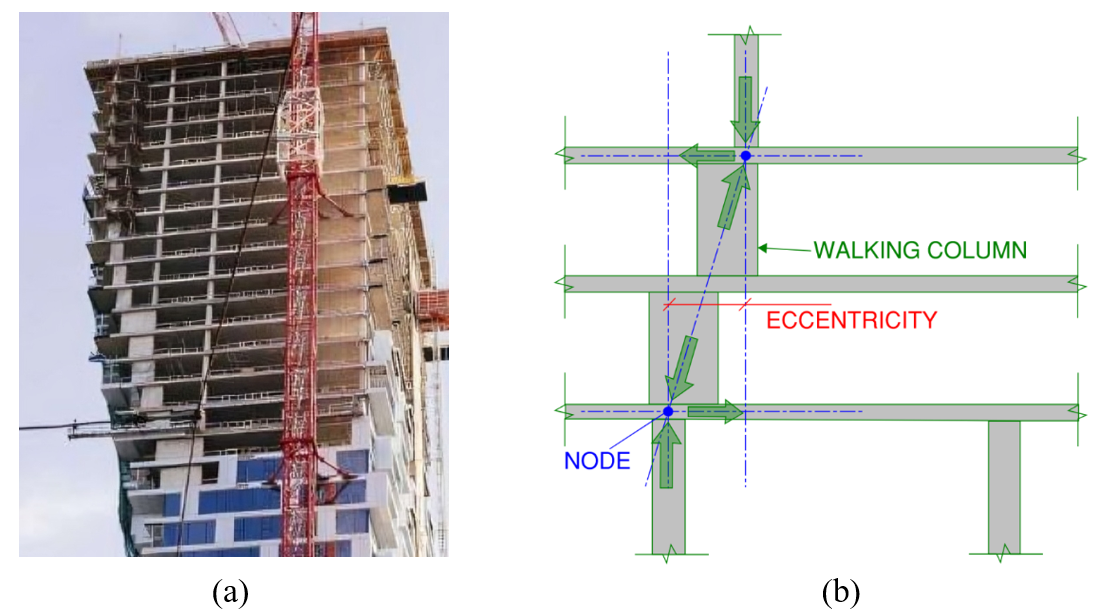
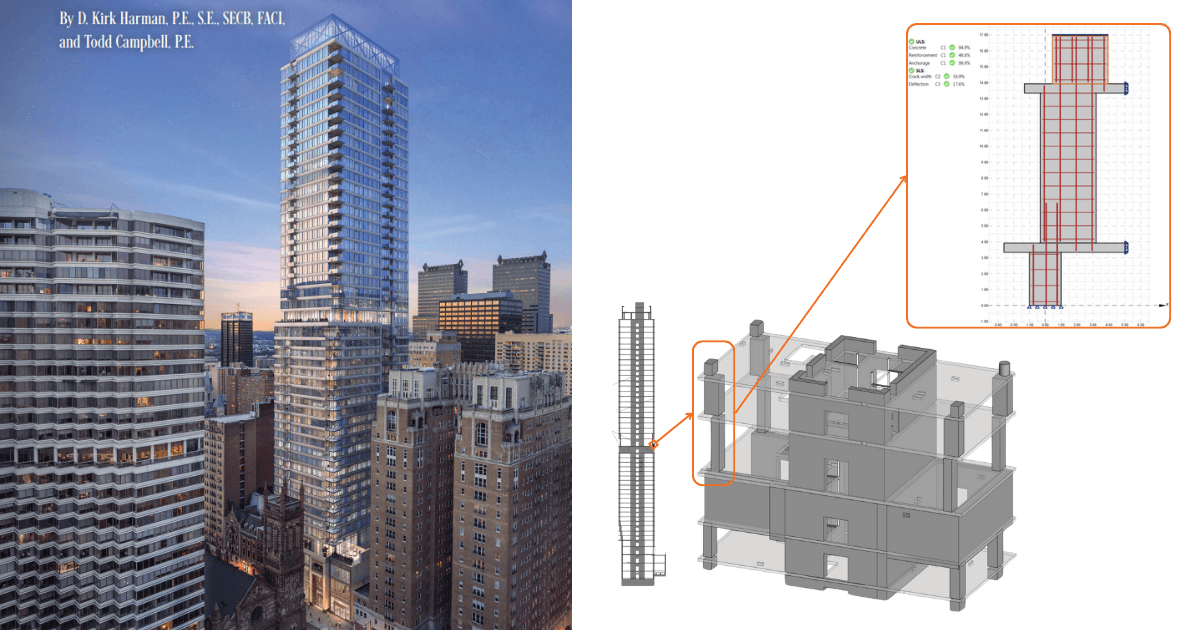
a) Walking column in real building, and b) Load transfer mechanism of walking column (SheerForce Engineering, 2021).
You can find a detailed description of different structural systems, including their methods of load transfer along with their respective benefits and drawbacks, on the following SheerForce Engineering web page.
Problems that arise
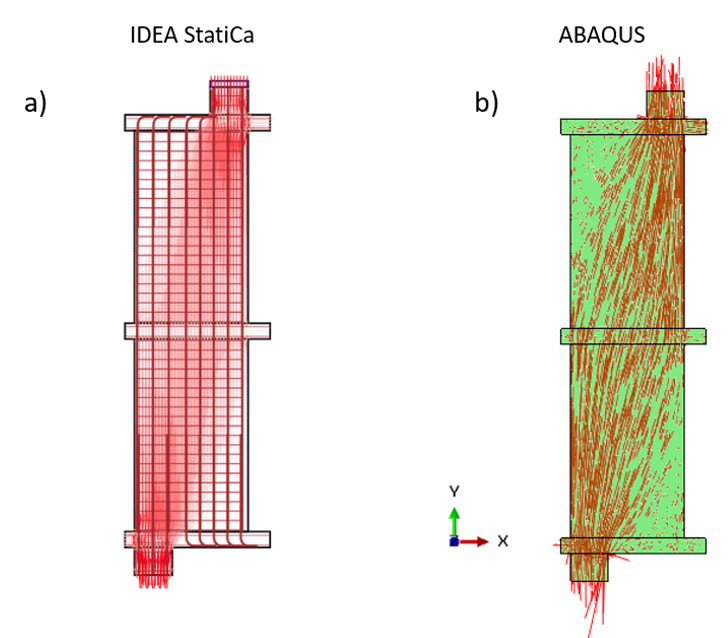
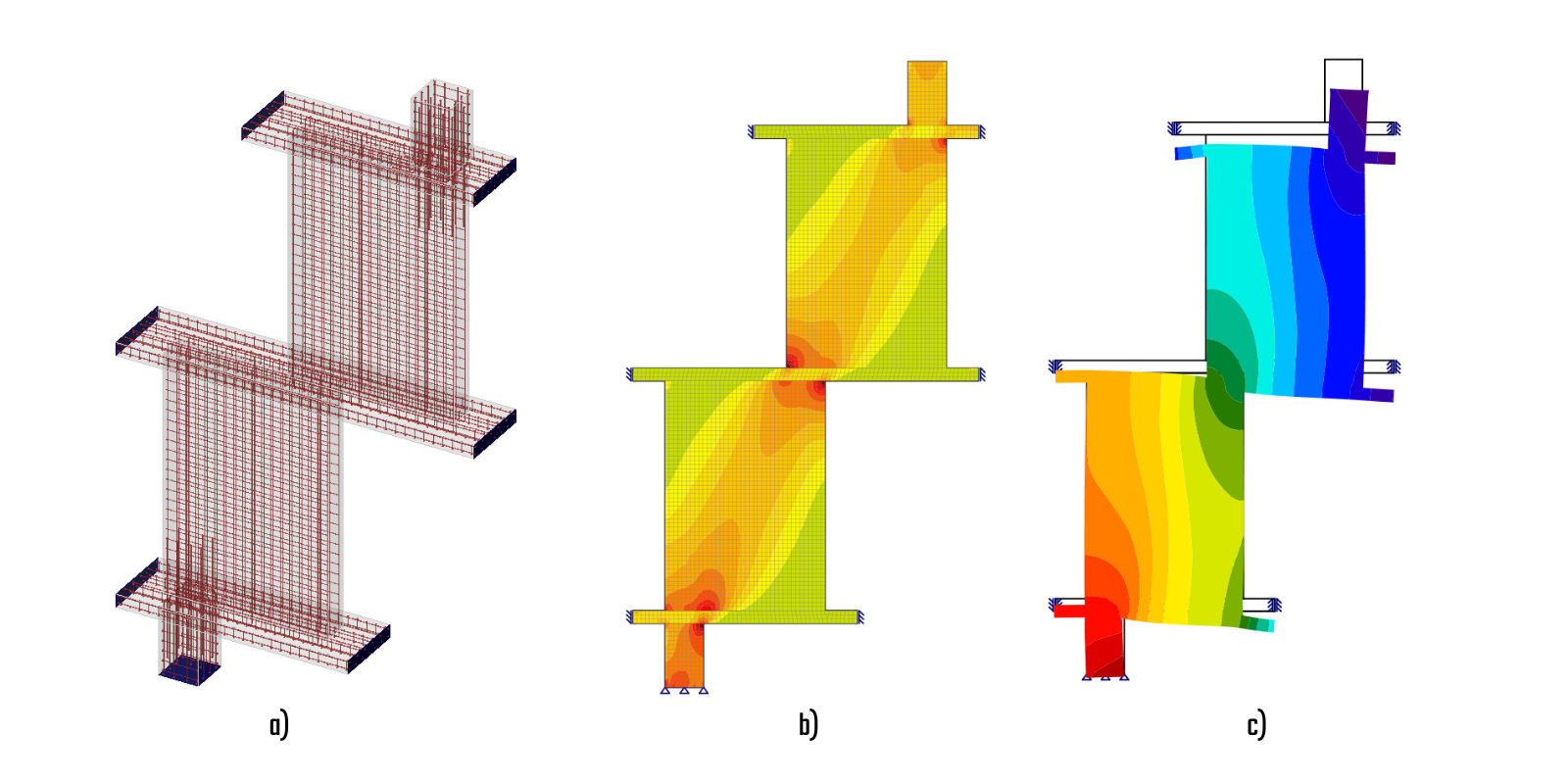
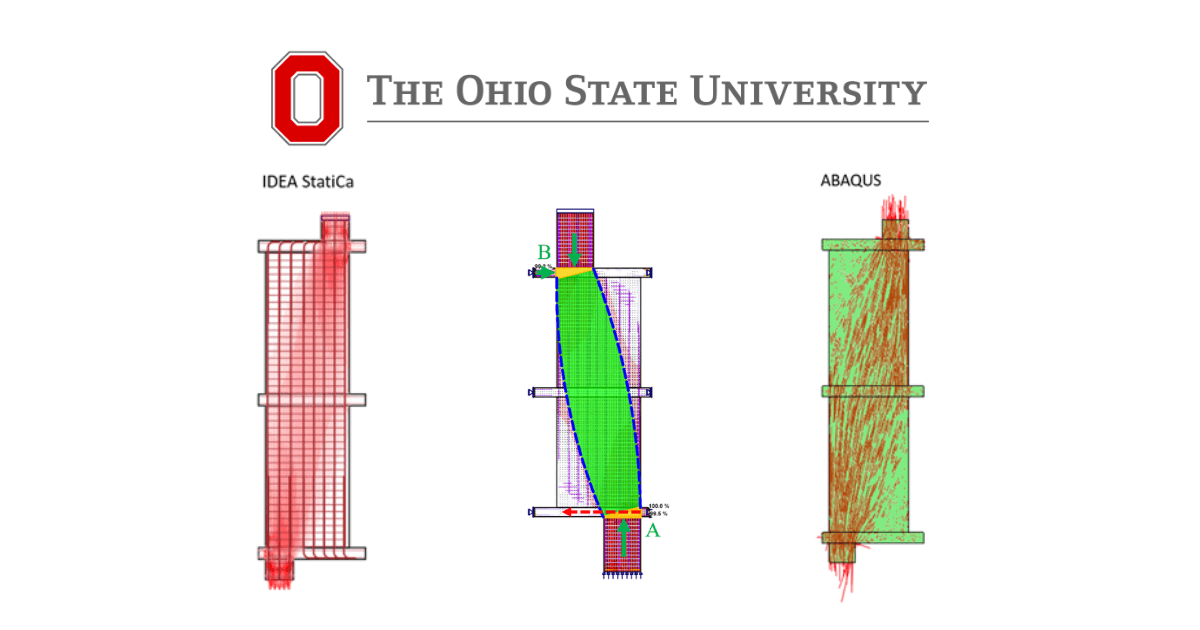
Though walking columns can be an advantage in certain structural layouts, they also bring unique design challenges that go beyond the scope of conventional codes such as ACI 318 or Eurocode. These elements typically exhibit low span-to-depth ratios, ranging from 1:9 to 1:4, making them fundamentally different from deep beams. For ratios below 1:4, deep beams are generally favored due to their enhanced resistance to overturning, supported on two opposite faces. In contrast, walking columns' slender geometry can inhibit the formation of diagonal strut-like compression fields that are characteristic of behavior.